The Complete Olympus Series — All Slots and Crash Games
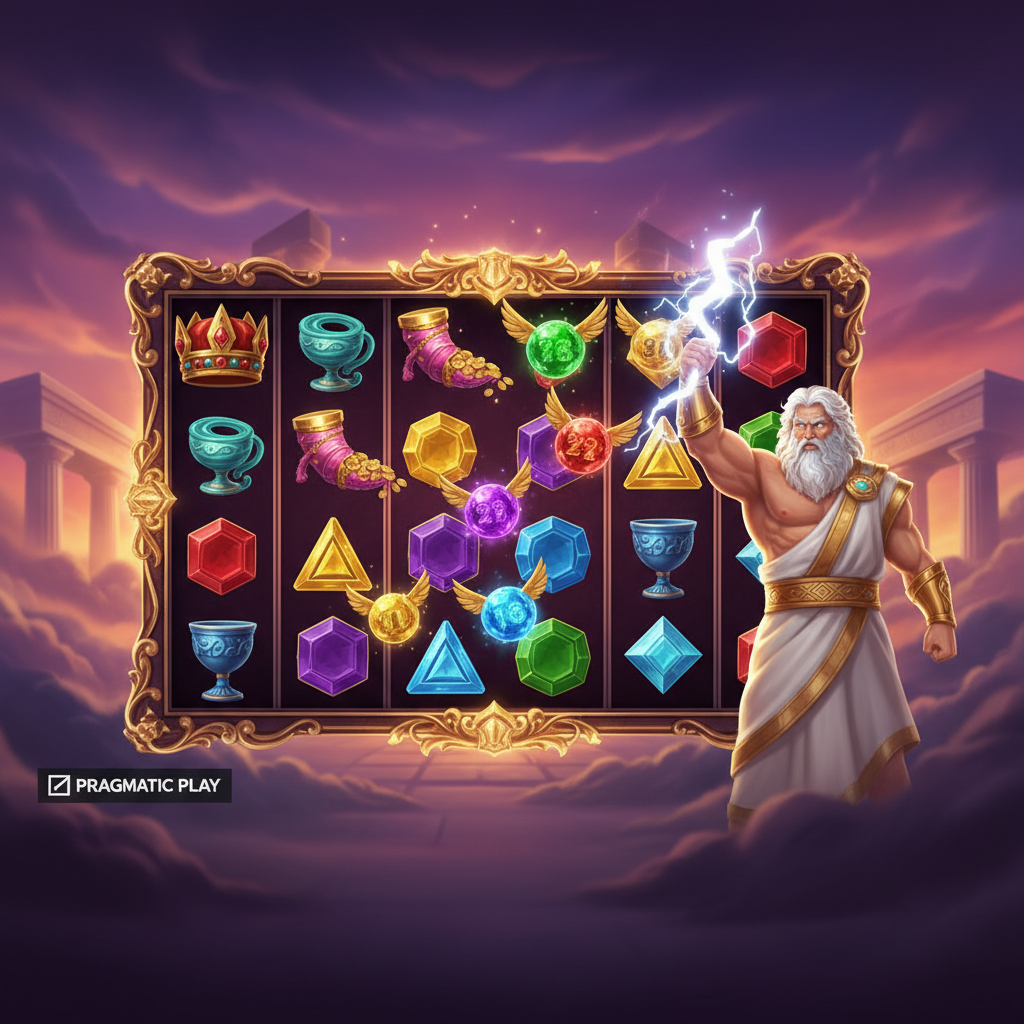
Zeus threw a lightning bolt — and an entire genre shifted. The Olympus series didn't just give us one viral slot; it spawned fourteen games across slots, crash, dice, roulette, and pachinko formats, each one carrying that unmistakable thunderstorm energy. Whether you're here chasing multipliers on your morning metro ride or grinding free spins on a lazy Sunday, this is your launchpad — every Olympus title, all in one spot.

The OG that started it all — cascading reels, scatter pays, and the multiplier system that hooked an entire generation of Indian slot players

Same DNA, cranked up volatility — built for those who want their multipliers bigger and their nerves tested harder

Stripped-down dice format for quick sessions — less flash, same core maths, perfect for a chai break spin
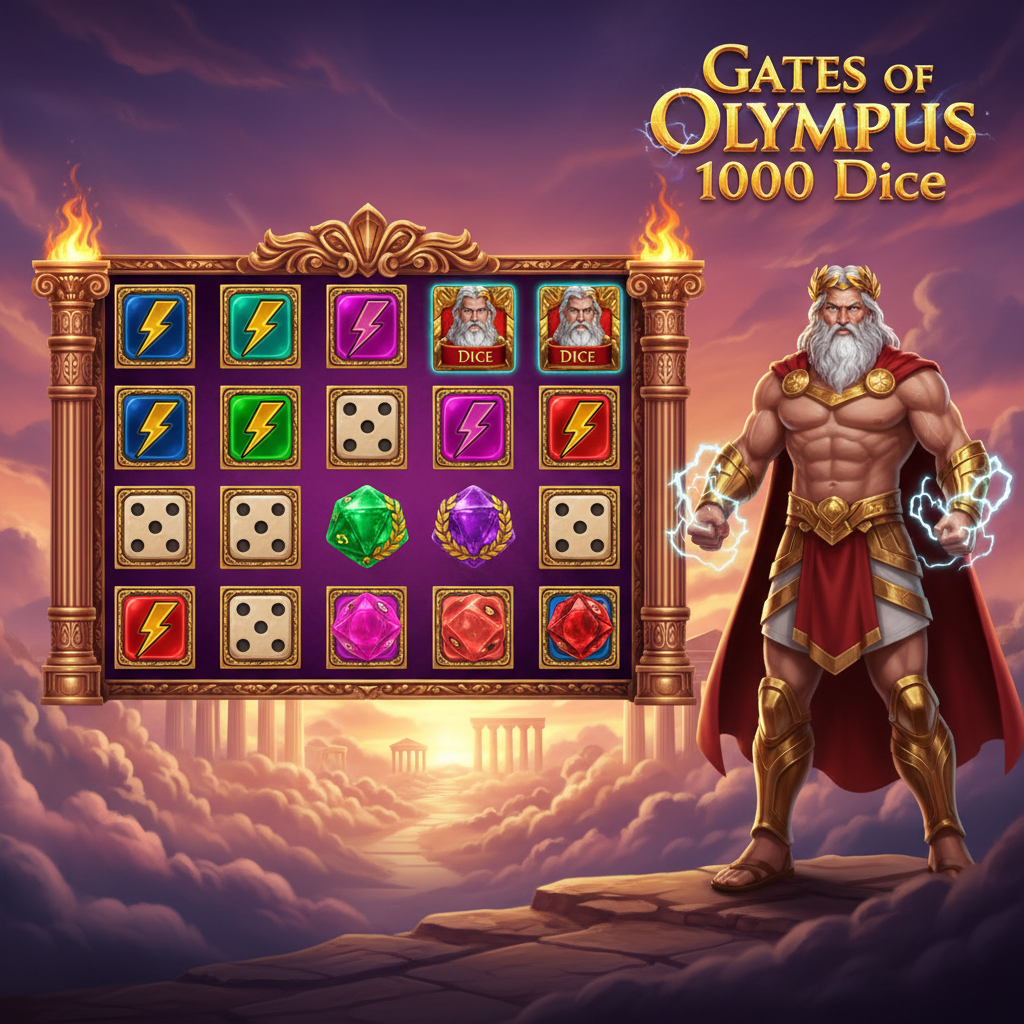
The high-volatility dice variant — if you liked 1000 but want something faster and simpler to load

Festive reskin of the 1000 version — snowflakes meet Zeus, same wild volatility underneath the decorations
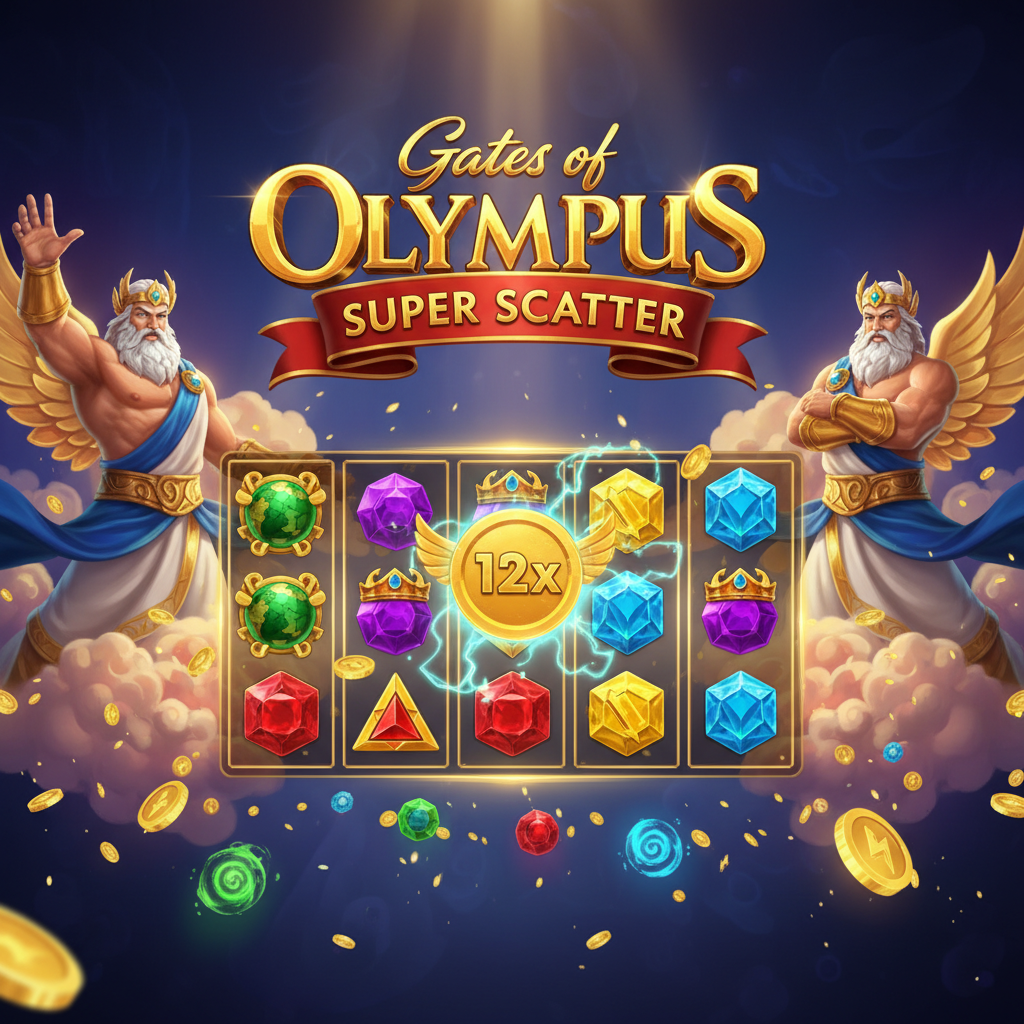
Reworked scatter mechanics that reward patience — strong pick if you grind rather than bonus-buy

A pachinko-inspired spin on the timeless classic — an authentically fresh vibe, offering exciting novelty for anyone tired of traditional reels
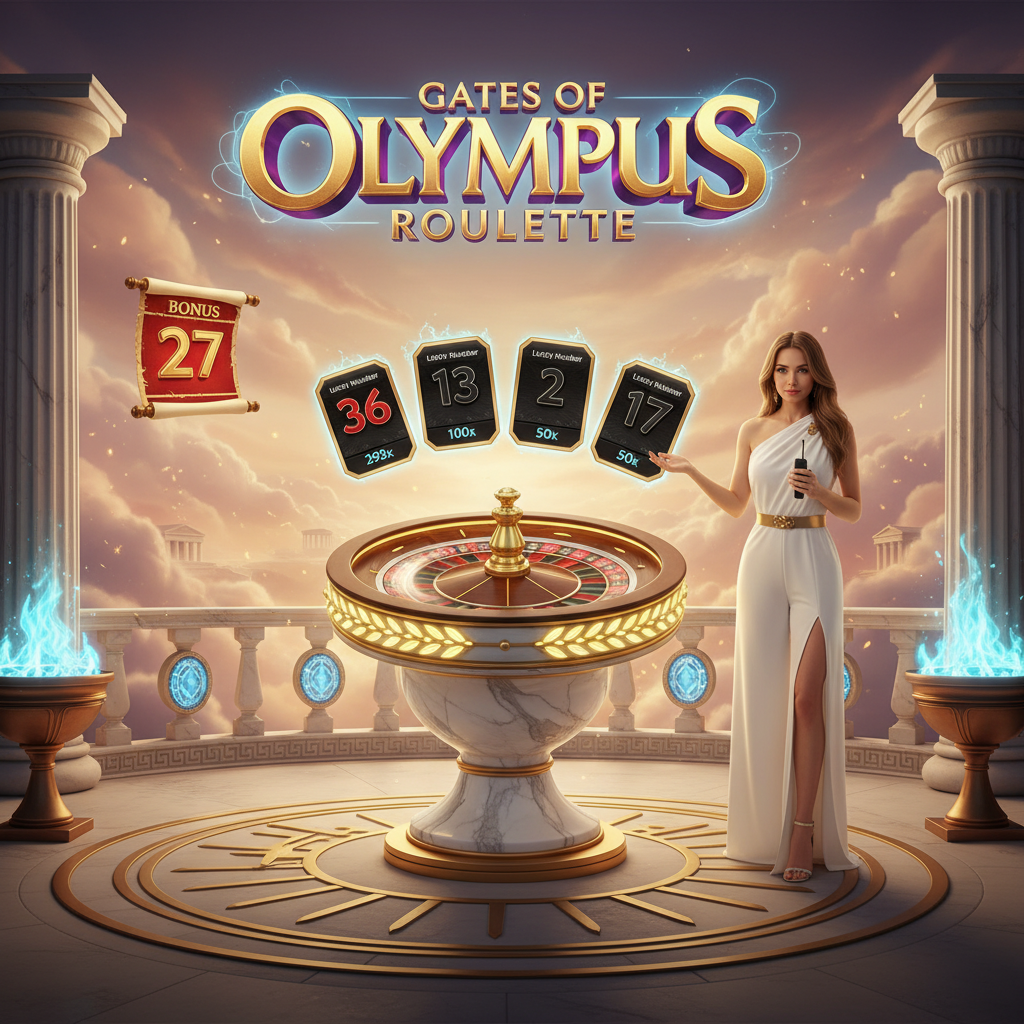
Roulette meets Olympus aesthetics — for the player who wants table-game logic in a mythological skin

Super Scatter format with its own identity — solid multiplier stacking for mid-range bettors
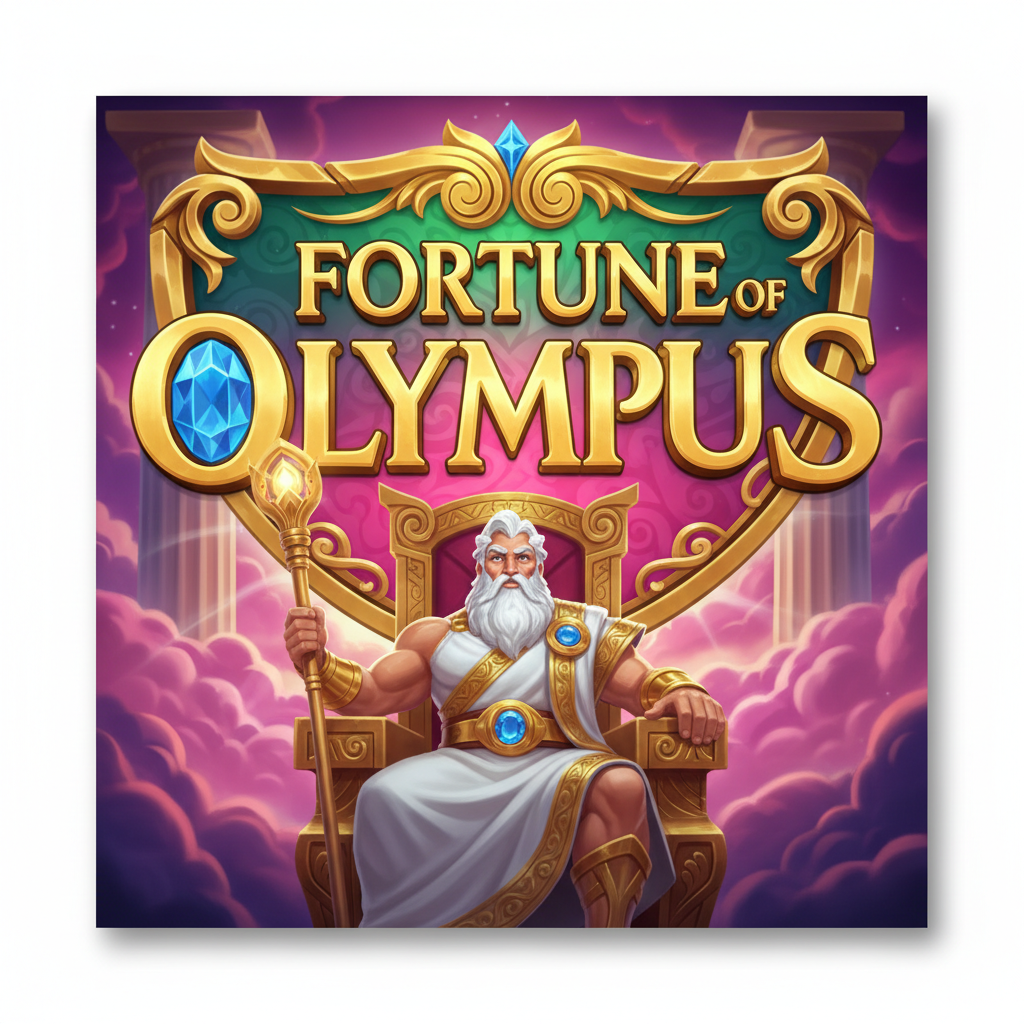
A fresh angle on the mythology — different reel structure keeps it from feeling like just another clone

Lucky-number energy meets Greek thunder — approachable volatility, good for longer evening sessions
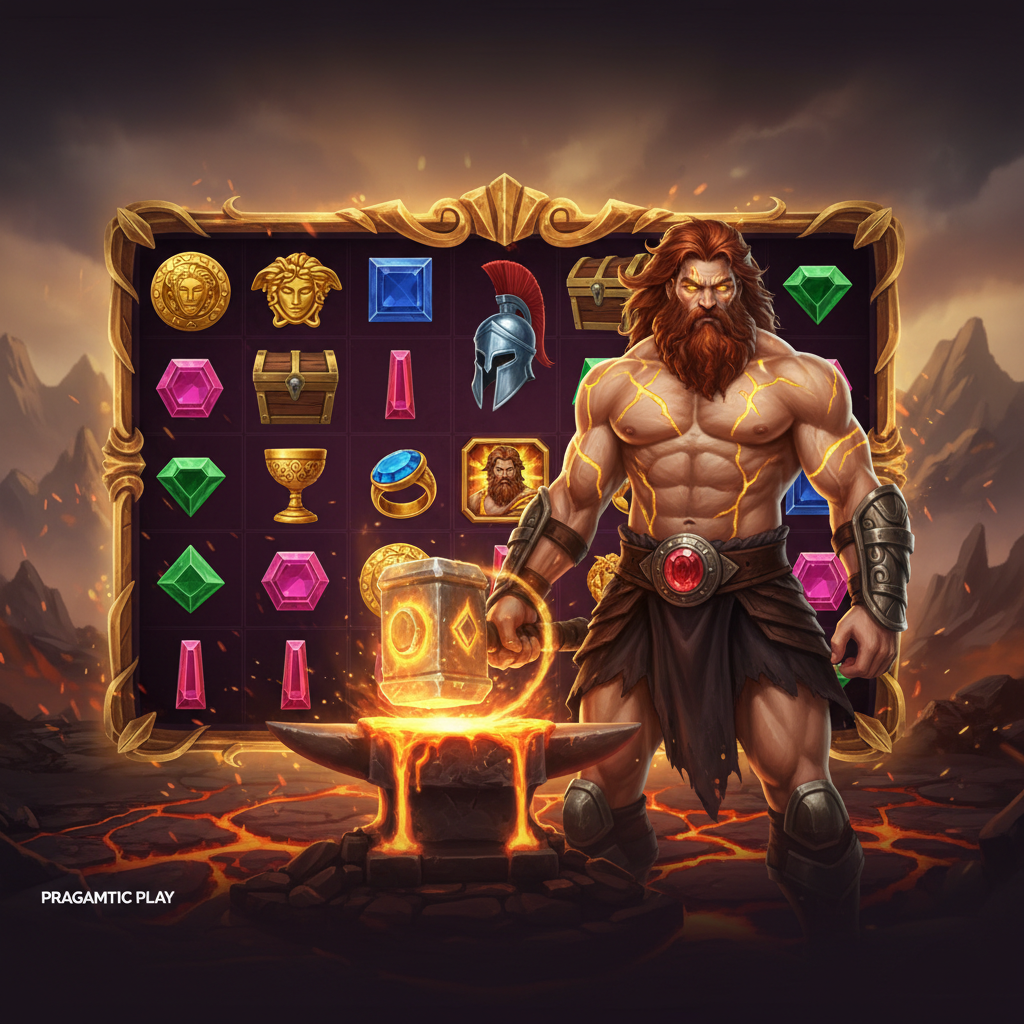
Hephaestus takes over — heavier, grittier, with a crafting-inspired mechanic that stands apart from the rest
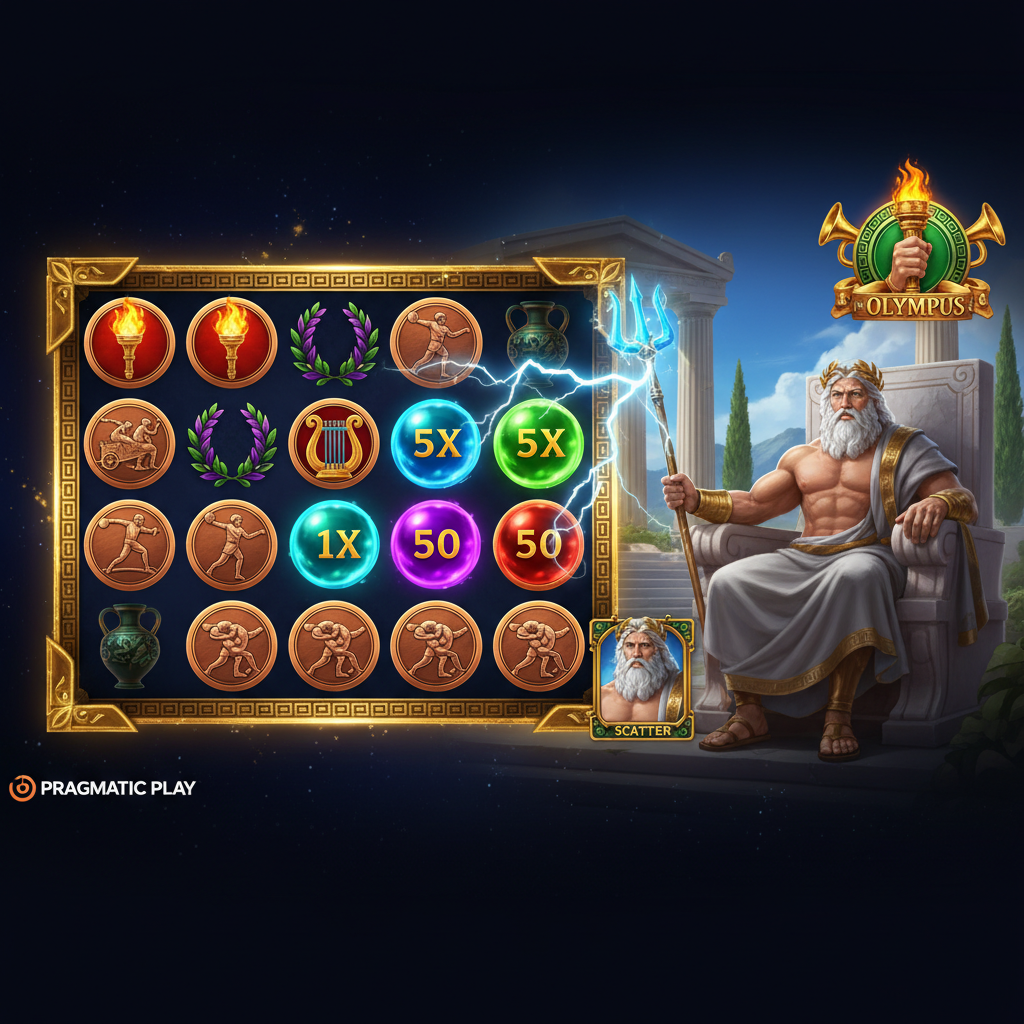
A mini-arena of formats inside one game — variety without switching tabs

The high-octane version of the arena concept — bigger swings, bigger drama, same multi-format idea
Gates of Olympus didn't arrive with a marketing blitz — it arrived with a mechanic that clicked. Cascade reels, scatter-pays across the entire grid, and random multipliers that could stack during free spins. That was enough. Indian players, many of whom were discovering online slots through affordable Android phones and ₹10-₹50 bets, latched onto it almost immediately. The game spread through word of mouth, Telegram groups, and YouTube clips of massive multiplier hits. It became the kind of slot people talked about at chai stalls, not just in niche forums.
From that single release, the series grew steadily. First came Gates of Olympus 1000 — same foundation, but the multiplier ceiling moved up and volatility increased sharply. Then variants started branching out: dice, roulette, pachinko. The Olympus name stopped being one game and became a franchise with fourteen distinct titles, each pulling a different thread from that original design.
There are thousands of mythology-themed slots out there. Half of them have Zeus on the cover. So what separates this series from the crowd? Honestly, it comes down to two things: the scatter-pay grid and the multiplier stacking system.
Most traditional slots require matching symbols on fixed paylines. The core Olympus games ditch that entirely — symbols pay wherever they land on the grid, as long as you hit enough of them. Winning symbols cascade off, new ones drop in, and any multiplier orbs that appeared during that round carry forward and multiply your next cascade hit. It creates this snowball effect where a dead-looking spin can suddenly chain into something serious. That unpredictability is exactly what keeps people spinning.
The bonus-buy option matters here too. For players who'd rather not grind through base game spins, you can purchase direct entry into free spins for a premium — usually around 100x your bet. That's a meaningful spend at any stake, so it's not something you do every round. But on a Friday evening with some budget set aside, it changes the pace entirely. Indian players tend to be value-conscious, so the decision to bonus-buy or grind organically becomes a genuine strategic choice, not a mindless click.
The Olympus series hits a sweet spot for the Indian market in ways that aren't immediately obvious. For one, these games run exceptionally well on mid-range Android devices — the kind of phones most players actually own. No heavy downloads, no app installs. You open a browser, the game loads, and you're in. On a Jio or Airtel 4G connection, even the graphically richer titles like Forge of Olympus hold up without buffering.
Then there's the bet range. Olympus games typically support very low minimum bets, which aligns well with how most Indian players approach slots — start small, test the waters, increase stakes only when a session feels right. The mythology theme itself resonates too. Indian players are deeply familiar with epic mythological narratives — gods, cosmic battles, divine weapons. Greek mythology slots feel intuitively readable, even if the specific pantheon is different. Zeus throwing lightning bolts isn't a stretch when you've grown up with Indra's vajra.
Social proof plays a massive role in this market. When someone in a Telegram group posts a screenshot of a 5,000x hit on Gates of Olympus, it travels fast. The series benefits from this organic virality more than perhaps any other slot franchise. Streamers on YouTube — both Indian creators and international ones — have given the original Gates of Olympus millions of hours of exposure. That visibility compounds.
Let's be straight about the lineup. Not all fourteen games are revolutionary departures from each other. Some are genuine innovations; others are reskins or format swaps that repackage familiar mechanics. That's not necessarily bad — if you love the core formula, having it in dice or roulette form is a welcome option. But you should know what you're getting into.
Gates of Olympus is the original. If you've never played an Olympus game, this is where the identity lives. Gates of Olympus 1000 takes that identity and pushes the volatility higher — the "1000" in the name refers to amplified multiplier potential, which means longer dry spells but bigger payoff windows. Gates of Olympus Super Scatter reworks the scatter trigger mechanics, making the free spins round behave differently enough to feel like a distinct game rather than a mod.
Forge of Olympus deserves special mention. It shifts focus away from Zeus to the forge-god Hephaestus, and with that comes a grittier visual style and a different reel structure. Of all the titles in the series, this one does the most to stand on its own feet.
Fortune of Olympus and 888 of Olympus each tweak the formula in subtler ways — different symbol sets, adjusted volatility, slightly altered grid behaviours. They're solid if you want variety without a dramatic shift.
Olympus Wins Super Scatter runs the Super Scatter concept with its own identity, separate from the Gates branding. Worth trying if you've burned out on the Gates aesthetic but still want that scatter-pay multiplier loop.
Gates of Olympus Dice and Gates of Olympus 1000 Dice move the game into a simplified dice format. Faster rounds, less visual noise, lower data usage — actually quite practical for Indian players on the go or on limited mobile plans. The 1000 Dice variant inherits the higher volatility of its parent.
Gates of Olympus Pachi is the oddball. A pachinko-style game wearing Olympus colours. It's mechanically very different from a slot and feels more like a casual arcade experience. Not everyone's cup of tea, but it's a genuine departure, not a lazy reskin.
Gates of Olympus Roulette brings table-game mechanics into the mix. If you're the type of player who alternates between slots and live casino, this hybrid might bridge the gap for you.
Games in Olympus and Games in Olympus 1000 bundle multiple mini-game formats under one roof. The 1000 version, predictably, turns up the volatility dial. These are interesting for players who get restless sticking to one mechanic.
Gates of Olympus Xmas 1000 is exactly what it sounds like — the 1000 variant with a Christmas theme layered on top. The maths engine underneath is essentially the same. It's a holiday novelty, nothing more, nothing less.
Every game in the Olympus series runs directly in the browser. No APK downloads, no Play Store workarounds, no storage headaches on a phone that's already full of WhatsApp media. This matters in India where sideloading apps raises security concerns and where many players use devices with limited internal storage.
On a Redmi, Realme, Samsung M-series, or any of the Android phones that dominate the Indian market, the games load cleanly. The dice variants are especially lightweight — if you're playing on a 4G connection while commuting on the metro or waiting at a bus stop, those are the titles that'll give you the smoothest experience. The full graphical slots like Forge of Olympus or the original Gates look better on Wi-Fi and a larger screen, but they're still perfectly playable on mobile data.
Desktop works well for weekend sessions where you want to see the full grid on a larger display. If you're the type to play with a spreadsheet open tracking your session, desktop is your friend. But realistically, the majority of Indian players will interact with this series on their phones, and every title is built for that reality.
If you've never touched an Olympus game, start with Gates of Olympus. Not because it's the newest or the flashiest — it isn't — but because it's the purest expression of the series' core idea. Understand the cascade mechanic, feel how multipliers stack, get a sense of the volatility curve. Play at minimum bets until the rhythm clicks.
If you've already spent hours in the original and want something that hits harder, Gates of Olympus 1000 is the natural next step. Be prepared for longer gaps between wins — that's the tradeoff for higher multiplier potential. Budget accordingly; this isn't a game for chasing losses with increasing stakes.
If you're a seasoned player hunting for a genuinely fresh experience, Forge of Olympus and Gates of Olympus Super Scatter stand out as your best bets. Forge reimagines both the visual style and the core gameplay rhythm, while Super Scatter transforms the way the game's signature feature activates and unfolds.
If you're a casual player who plays in short bursts — five minutes during lunch, ten minutes before bed — the Dice variants are tailored for you. Faster rounds, cleaner interface, less data consumption.
And if you're the curious type who wants to see how far the Olympus concept can stretch, try Gates of Olympus Pachi or Games in Olympus. They're the most experimental entries in the lineup, and while they won't replace the core slots for most players, they offer a genuinely different kind of session.
Fourteen games is a lot. You don't need to play all of them. Find the two or three that match your budget, your risk appetite, and the amount of time you actually have — and go deep on those. The Olympus series rewards familiarity with its mechanics more than it rewards jumping between titles.