







How Olympus Became a Franchise, Not Just a Slot
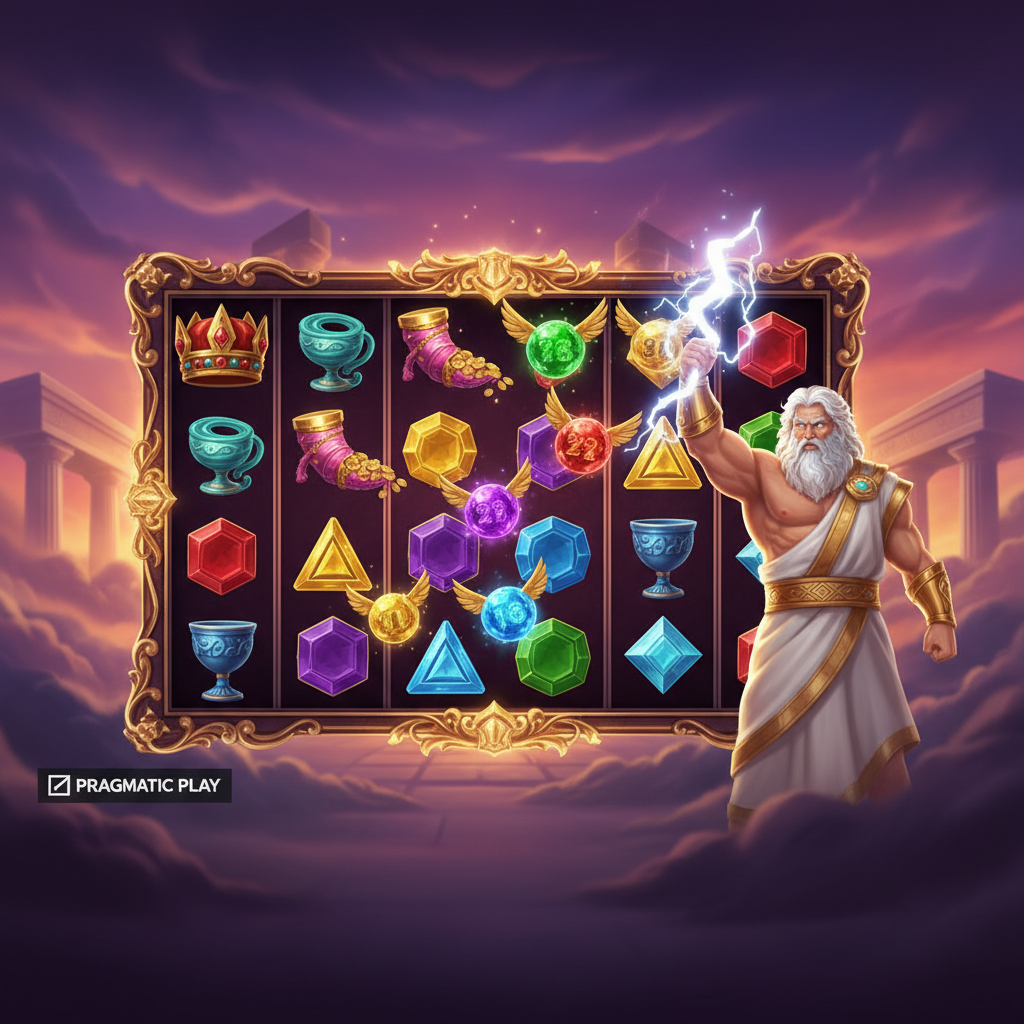
Gates of Olympus didn't arrive with a press conference. It landed quietly into lobbies, mostly Pragmatic Play regulars noticed it first, and then the streamers got hold of it. Within weeks it was everywhere — Twitch clips of Zeus dropping fat multiplier clusters, screenshots shared across Discord servers and gambling forums from Birmingham to Glasgow. The scatter-pays mechanic felt fresh at a time when Megaways fatigue was setting in, and the high-volatility maths gave British players exactly what they'd been gravitating towards: long dry stretches punctuated by genuinely dramatic payouts.
From that single slot, the Olympus brand expanded into fourteen distinct titles. Not overnight, and not all of them carry the same weight. Some are genuine mechanical evolutions — Gates of Olympus 1000 pushing the multiplier ceiling, Forge of Olympus rethinking the grid entirely — while others are thematic reskins or format experiments. That honesty matters: when you see the full list, you should know which ones are fresh ground and which ones are familiar territory in a different outfit.
What Actually Makes Olympus Different
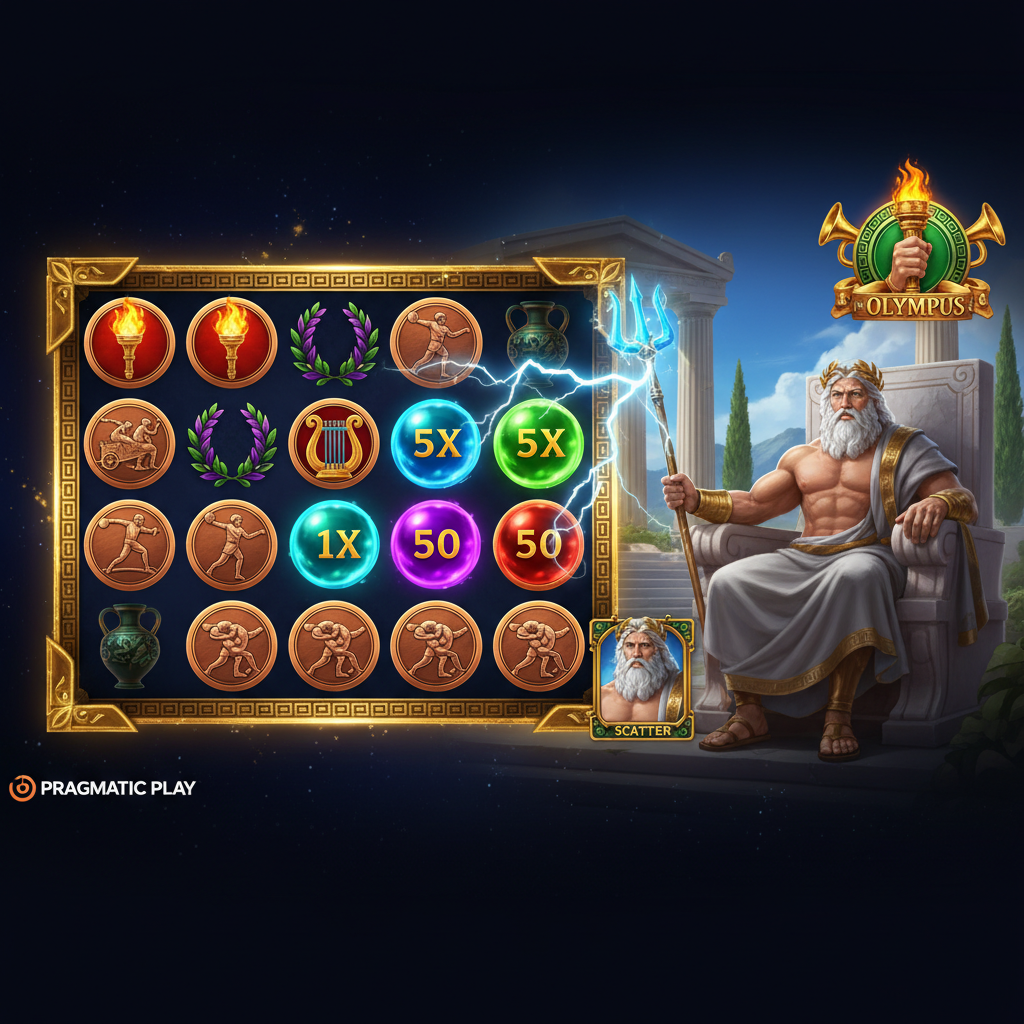
The scatter-pays system is the spine of the series. No paylines, no ways-to-win counting — symbols pay anywhere on the grid as long as enough of them land. That single design decision changes how a round feels. You're not tracking specific reel positions; you're watching the whole screen for clusters. It's a subtle shift, but it makes the game faster to read at a glance, which matters when you're playing on the train into Waterloo or during a lunch break with half an eye on your sandwich.
Then there are the tumble mechanics. Winning symbols disappear and new ones drop in, chaining potential wins within a single spin. Combined with random multipliers that can appear on any tumble, a single paid spin can escalate from nothing to something absurd. That escalation loop — the feeling that any spin could cascade — is what keeps sessions engaging even when the base game is being stingy.
The bonus buy option deserves a mention because it's become almost standard for UK players at this point. Rather than grinding for scatter triggers, you pay a premium — typically a significant multiple of your stake — to jump straight into free spins. For players who treat their evening session as finite (you've got an hour on the sofa before bed, you don't want to spend forty minutes waiting for a trigger), it's a practical tool. Whether it's good value is a different question, and one the maths will answer differently on any given night.
Why British Players Keep Coming Back
There's a pattern in the UK market that Olympus fits neatly into. British players tend towards high-volatility slots — the appetite for variance here is well-documented, and it shows in what dominates casino lobbies on sites licensed by the UKGC. The Olympus series delivers exactly that profile: long base-game droughts balanced by explosive bonus rounds. It's not for everyone, and players who prefer steady, low-variance sessions will find it frustrating. But for the significant chunk of the audience that wants the dopamine of a big hit, the maths model is right.
Mobile play is also a factor. The majority of sessions in the UK happen on phones — iPhones and mid-range Androids, mostly on home Wi-Fi or solid 4G/5G. The Olympus games are built for that context. They load quickly in mobile browsers, the grid is legible on smaller screens, and session length is flexible. You can do ten spins waiting for a bus or settle in for a longer run on a Friday evening. No downloads, no apps to maintain, no storage eaten up — just open your casino, find the game, and go.
The social dimension matters too. Olympus clips circulate constantly on UK gambling Twitter, Discord communities, and Twitch streams. When a streamer hits a massive multiplier chain on Gates of Olympus 1000, the clip gets shared and discussed. That social proof drives curiosity — players try the game because they've seen what it can do, even knowing full well that those moments are rare. The series has become a shared reference point, a common language among players.
The Full Lineup — What Connects Them, What Doesn't
Fourteen titles is a lot, so let's be straight about how they break down.
The core slots
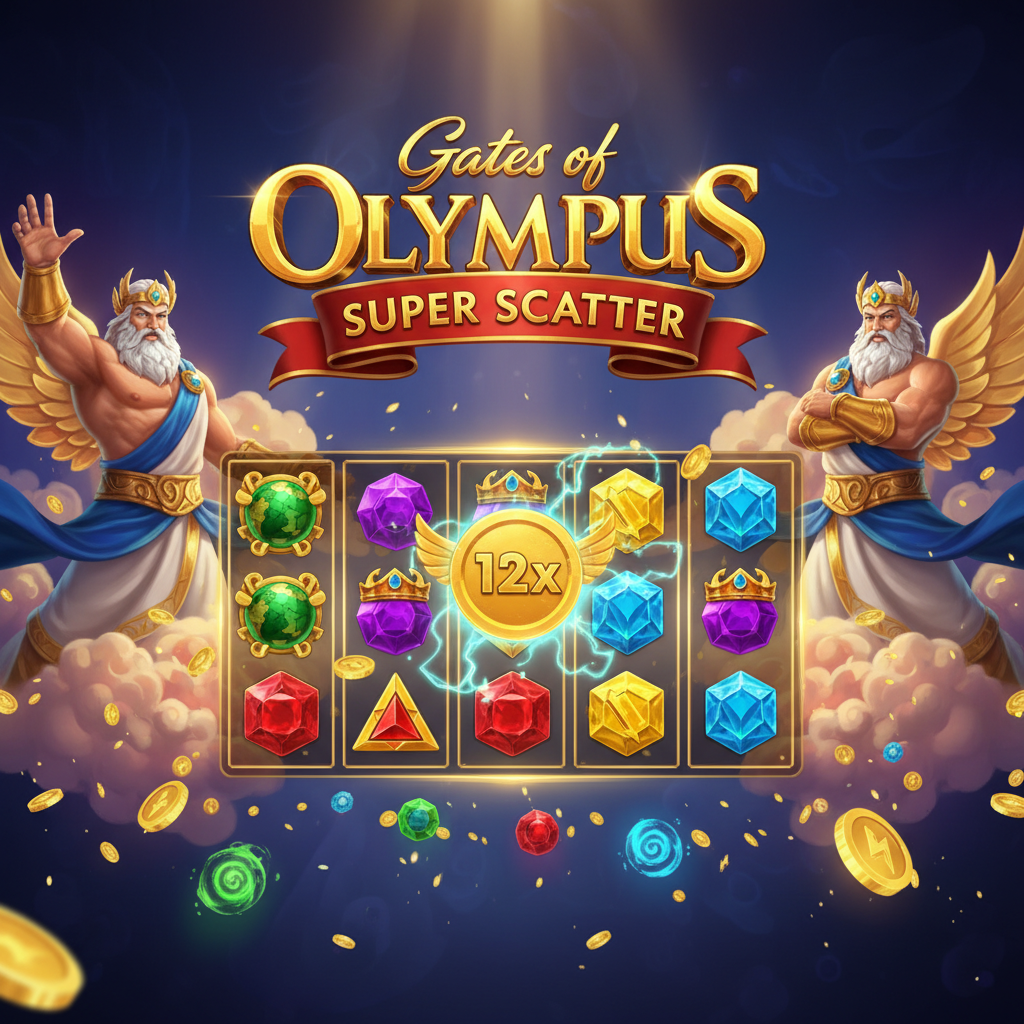
Gates of Olympus and Gates of Olympus 1000 are the foundation. The original established the formula; the 1000 version amplifies the multiplier potential. If you've played one Olympus game, it was probably one of these. Gates of Olympus Super Scatter builds on the same base but gives the scatter mechanic more prominence, making bonus triggers feel weightier.
The dice variants
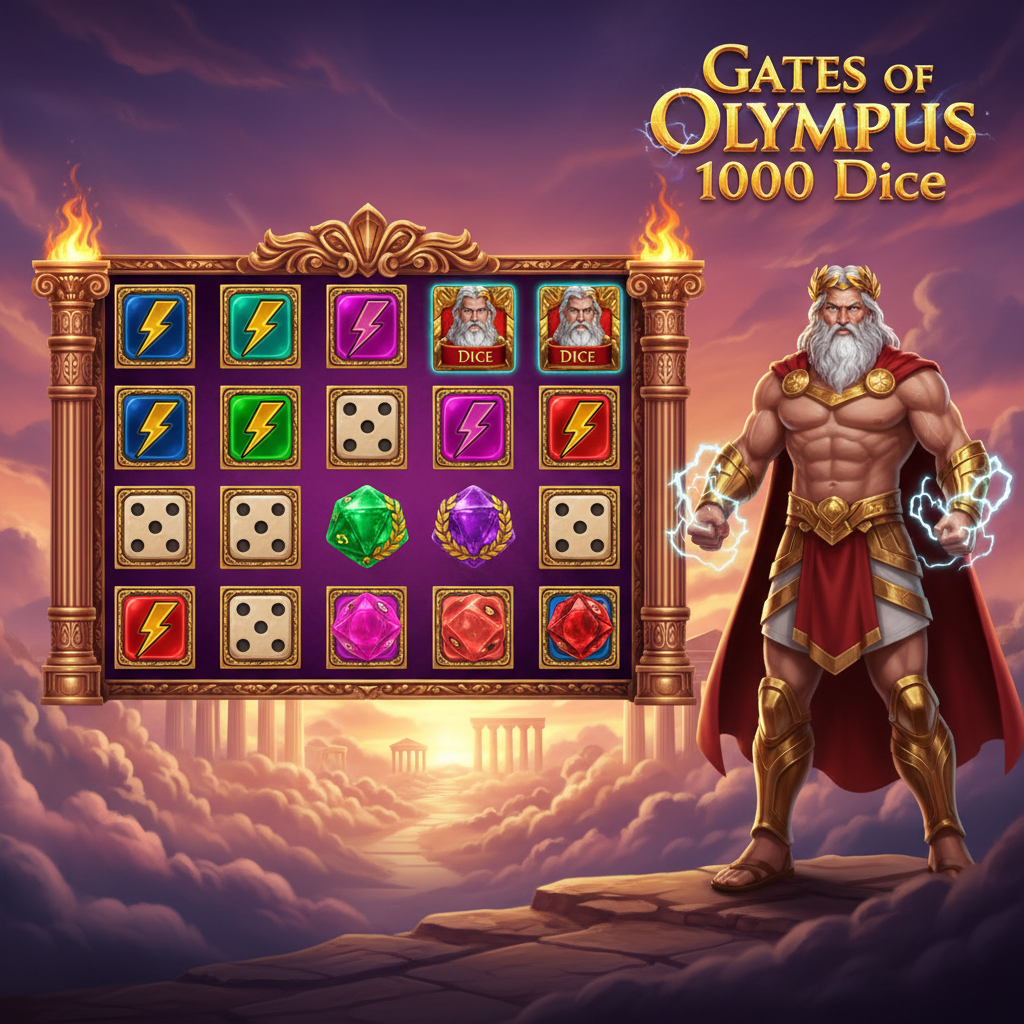
Gates of Olympus Dice and Gates of Olympus 1000 Dice translate the slot maths into a dice-game format. They're honest clones — same underlying numbers, different visual presentation. If you like dice games or want a visual change without learning new mechanics, they serve that purpose. They're not reinventions.
The seasonal and thematic spins
Gates of Olympus Xmas 1000 is exactly what it sounds like: the 1000 variant with Christmas decorations. The maths engine is fundamentally the same. It's a seasonal option, nice for a December session, not essential otherwise.
The format experiments
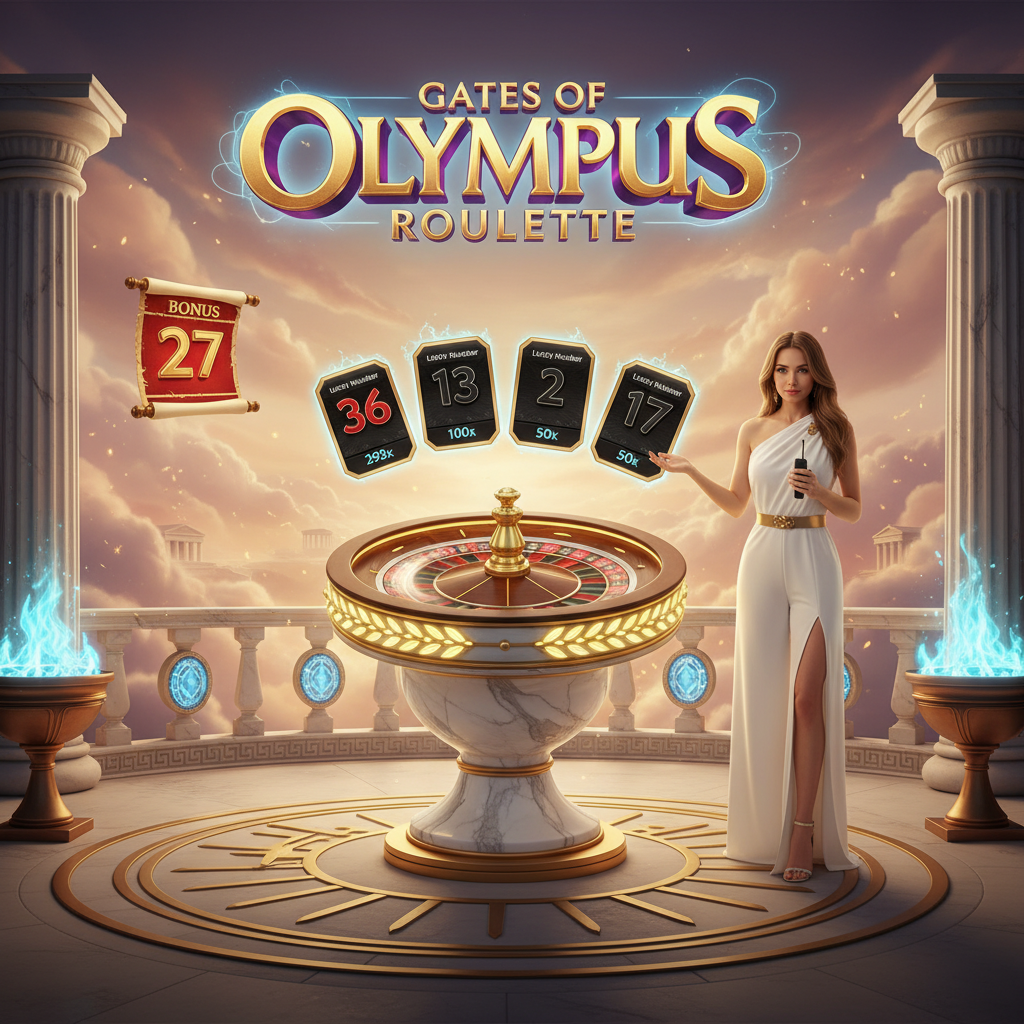
This is where the lineup gets genuinely interesting. Gates of Olympus Pachi brings pachinko mechanics into the Olympus world — balls dropping through pegs rather than symbols tumbling on a grid. It's a different game wearing familiar clothes. Gates of Olympus Roulette does something similar with table-game mechanics. These won't be for everyone, but they show the series stretching rather than just repeating.
The broader Olympus family
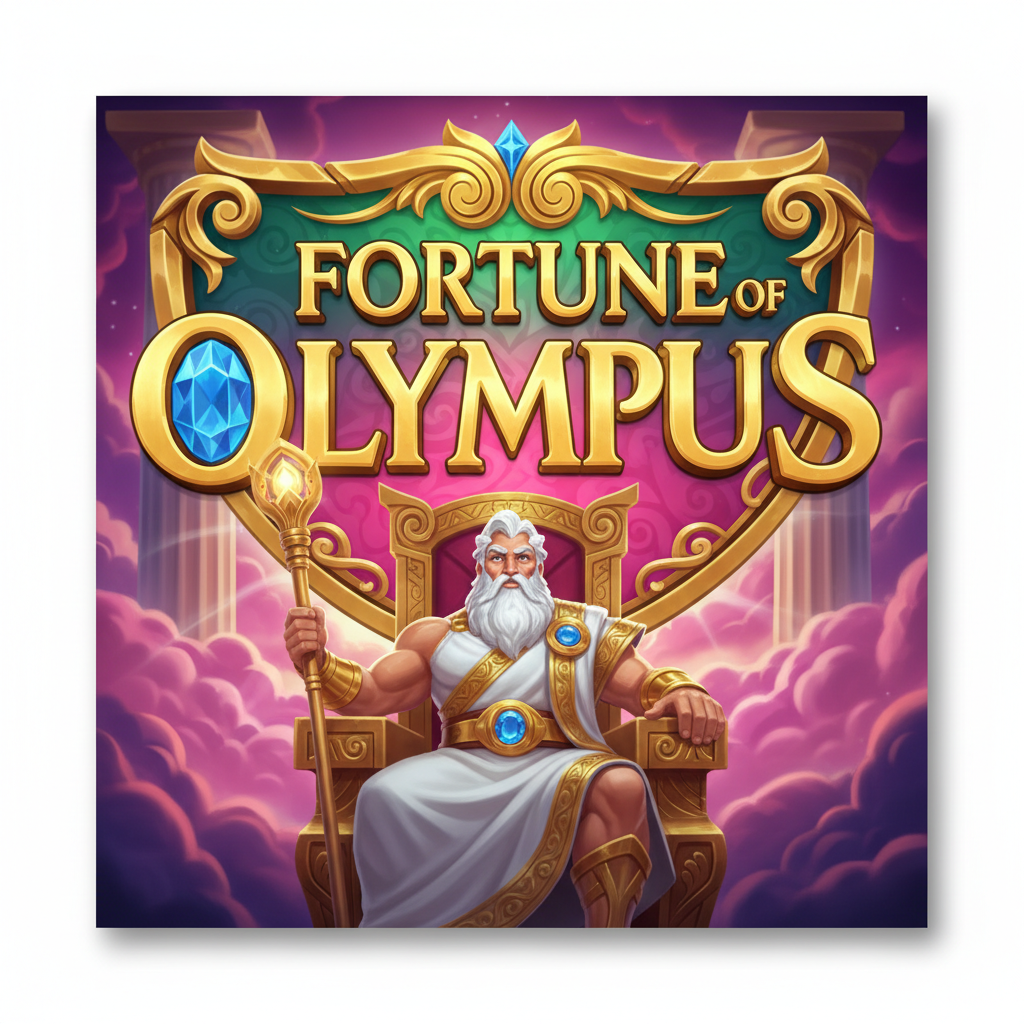
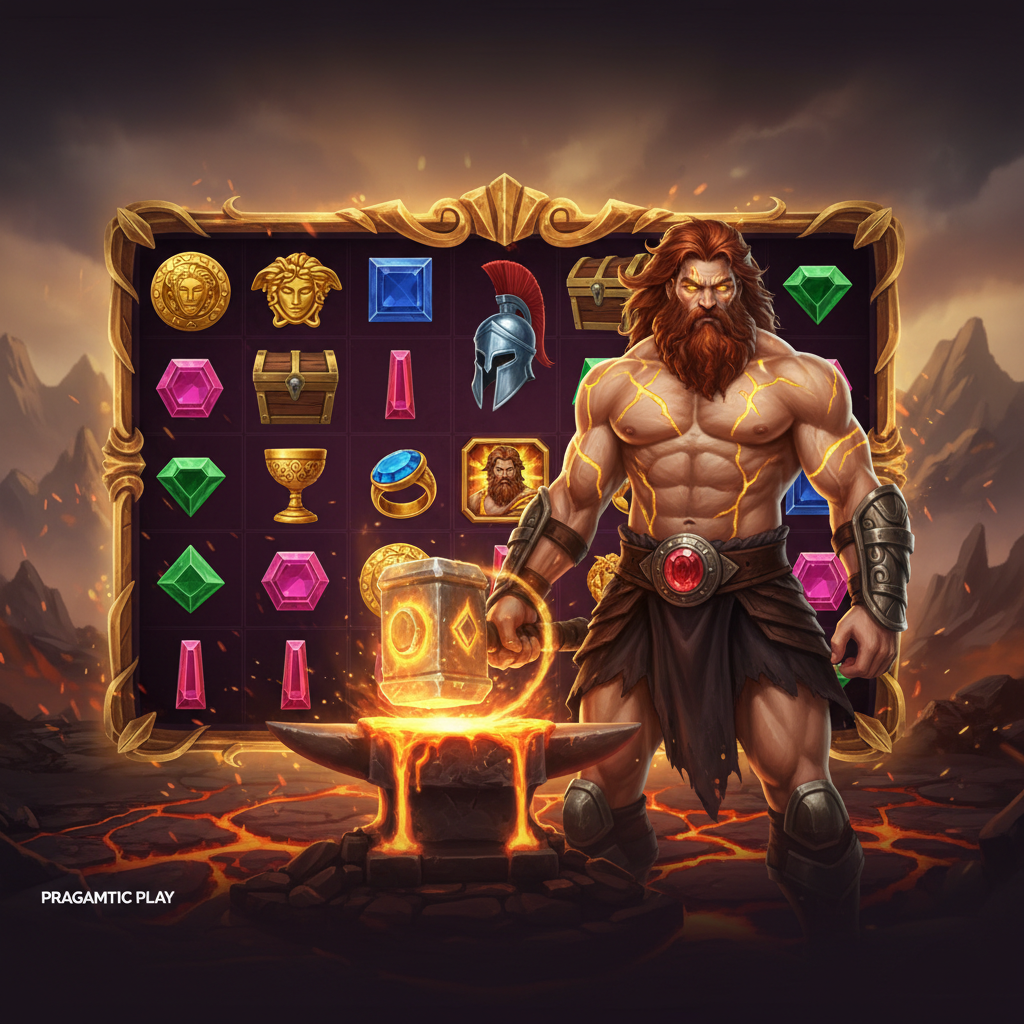
Olympus Wins Super Scatter, Fortune of Olympus, 888 of Olympus, and Forge of Olympus sit slightly outside the Gates sub-brand. Forge of Olympus in particular stands out — it has a darker aesthetic and its own mechanical identity, feeling like a proper companion piece rather than a derivative. Fortune of Olympus and 888 of Olympus offer mid-range experiences that are less aggressive on volatility, which gives the lineup some breadth for players who want the Olympus theme without the full rollercoaster.
Games in Olympus and Games in Olympus 1000 take a multi-game approach, packaging variety within the Olympus universe. The 1000 version, as with other titles carrying that suffix, extends the multiplier ceiling.
Playing on Your Terms — Devices, Access, Practicalities
Every game in the Olympus series runs directly in your browser. Desktop, laptop, phone, tablet — no downloads, no dedicated app. For UK players this is standard expectation, and the series meets it cleanly. Performance is smooth on modern iPhones and on Android devices from the mid-range up. If you're playing on an older handset you might notice slightly longer load times, but the games are well-optimised and don't demand flagship hardware.
All fourteen titles are available at UKGC-licensed casinos, which means the regulatory protections you'd expect — deposit limits, reality checks, self-exclusion tools — are in place. The games themselves don't change between operators, but the bonuses and promotions wrapped around them do, so it's worth checking what's on offer at your chosen site.
Where to Start — And Where to Go Next
If you've never touched an Olympus game, Gates of Olympus is the obvious entry point. It's the purest expression of what the series does, without any added complexity. Play it in demo mode first if your casino offers it — get a feel for the tumble rhythm and the scatter-pays system before committing real money.
If you already know the original and want more intensity, Gates of Olympus 1000 is the natural step up. The higher multiplier ceiling means bigger potential swings in both directions, so calibrate your stake accordingly. For UK players used to thinking in pounds, remember that bonus buys scale with your base bet — a £1 stake can mean a £75-£100 buy-in for the feature, which is no longer a casual outlay.
For something genuinely different within the same universe, try Forge of Olympus or Gates of Olympus Pachi. Forge has its own personality and doesn't just ride the Gates formula. Pachi is a format leap — you'll know within five minutes whether it clicks for you.
If you're a completionist or a series collector, the dice variants and seasonal editions round out the full set. They're not essential, but they're not throwaway either. The whole point of having fourteen titles on one page is that you can browse, compare, and decide for yourself which ones earn your time.
The Olympus series isn't fourteen identical games wearing different hats. Some of them are, honestly, quite close to each other. But the best entries — the original, the 1000, Forge, the Pachi experiment — represent genuine variety within a coherent theme. That's what keeps the lineup relevant.