






How Olympus Became a Slot Franchise
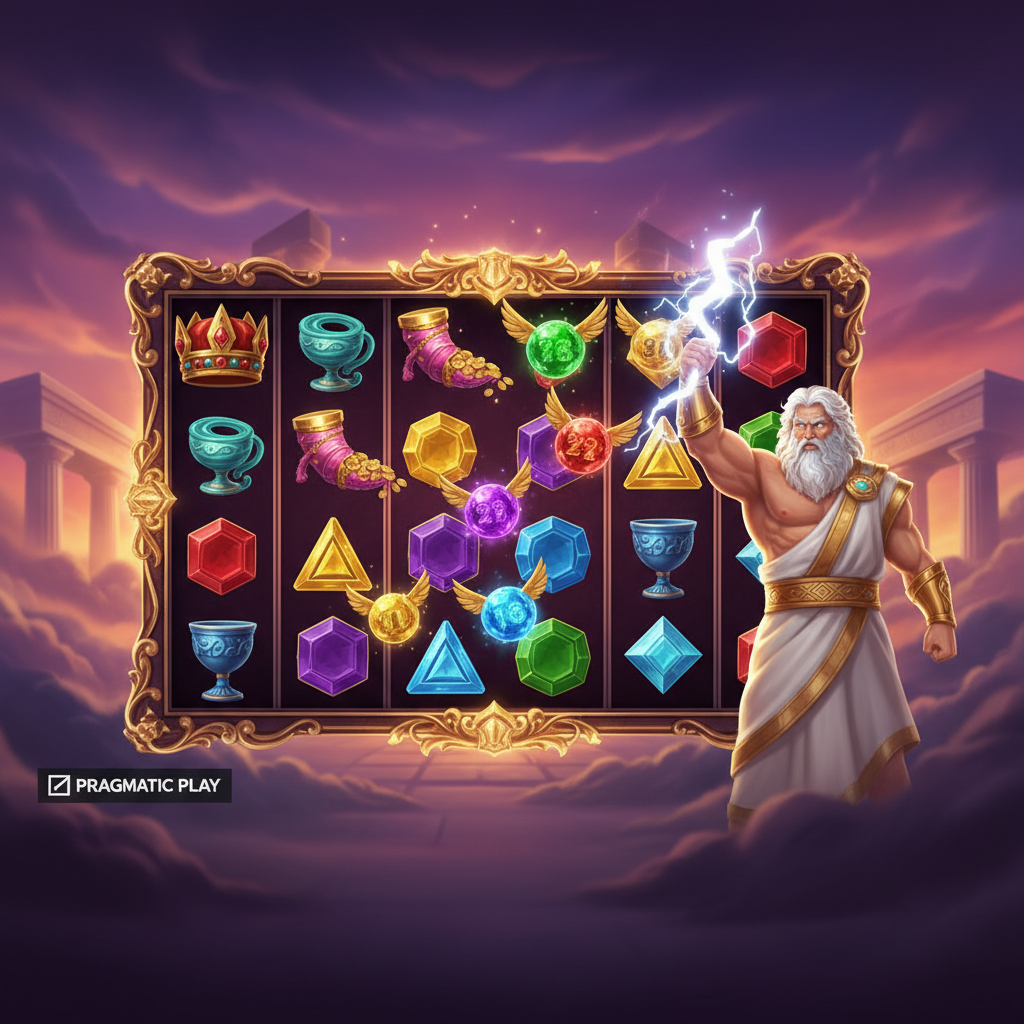
It started with one game. Gates of Olympus landed as a scatter-pay, tumbling-reel slot set against a sky backdrop with Zeus holding court at the top of the screen. The concept wasn't entirely new — tumble mechanics existed, and Greek mythology has been a slot theme since the industry's early digital days. But the execution clicked. The combination of anywhere-pays (no paylines, just symbol clusters anywhere on the grid), cascading wins that kept the reels alive, and random multipliers that could stack during a single tumble sequence gave players a loop that felt genuinely different from the standard spin-and-stop.
What happened next is what separates a popular game from a series. Instead of releasing one sequel, the Olympus brand branched in multiple directions. The 1000 variants pushed volatility and multiplier ceilings higher. Dice versions compressed the action into a smaller grid. Pachi introduced a pachinko mechanic. Roulette crossed into table-game territory entirely. By the time Forge of Olympus and the Games in Olympus titles arrived, the lineup had grown to 14 distinct entries — a full franchise, not just a set of re-releases.
What Actually Makes Olympus Different
The scatter-pay system is the backbone. Most traditional slots run on paylines or ways-to-win — symbols have to land in specific positions to count. In the Olympus slots, matching symbols pay wherever they appear on the grid, as long as enough of them show up. That one change reshapes how every spin feels. You're not tracking lines; you're watching the whole screen.
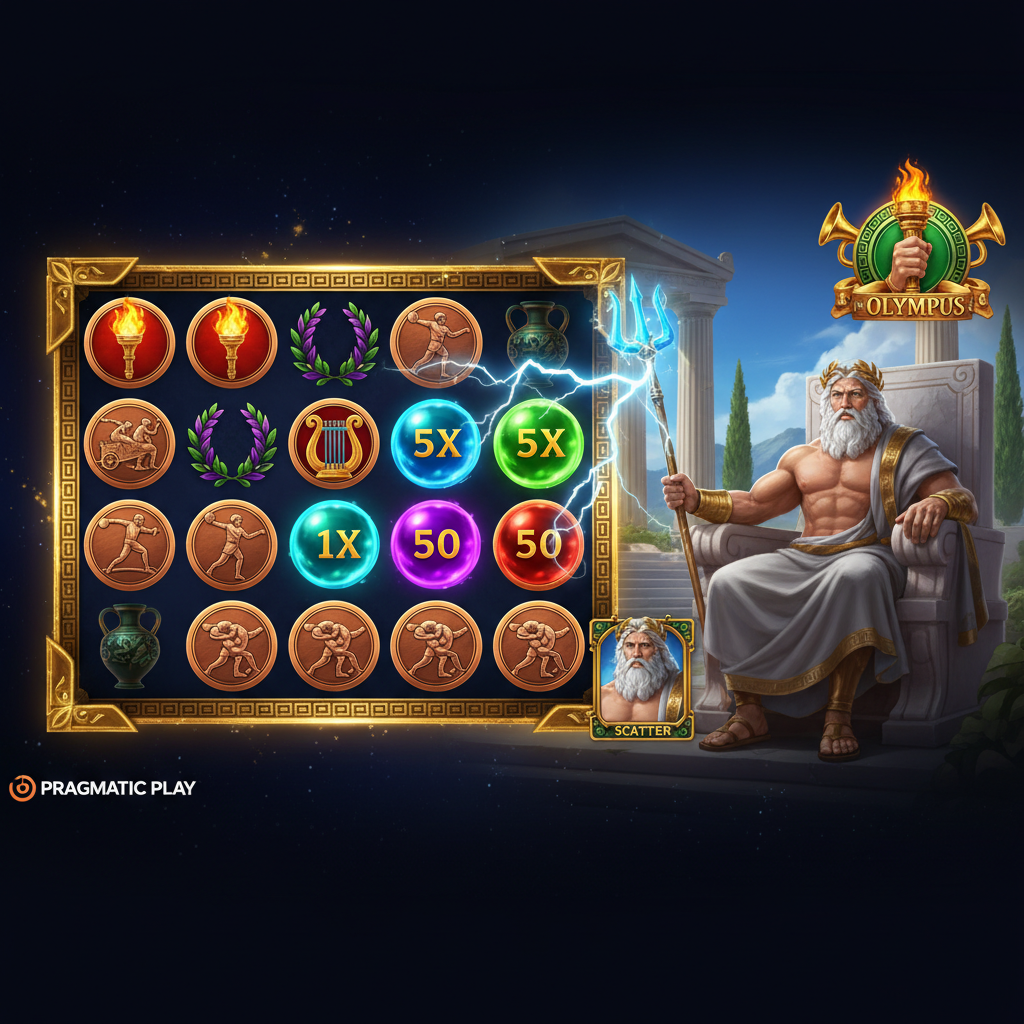
Tumbling reels compound this. When symbols form a win, they vanish, new ones drop in, and the game checks again. A single paid spin can cascade into five, eight, twelve consecutive wins. Multiplier orbs that drop randomly during tumbles don't just boost one win — they accumulate across the entire cascade chain. A 2x and a 3x landing in the same sequence become a 6x applied to every subsequent hit. That stacking is what gives Olympus its signature spikes.
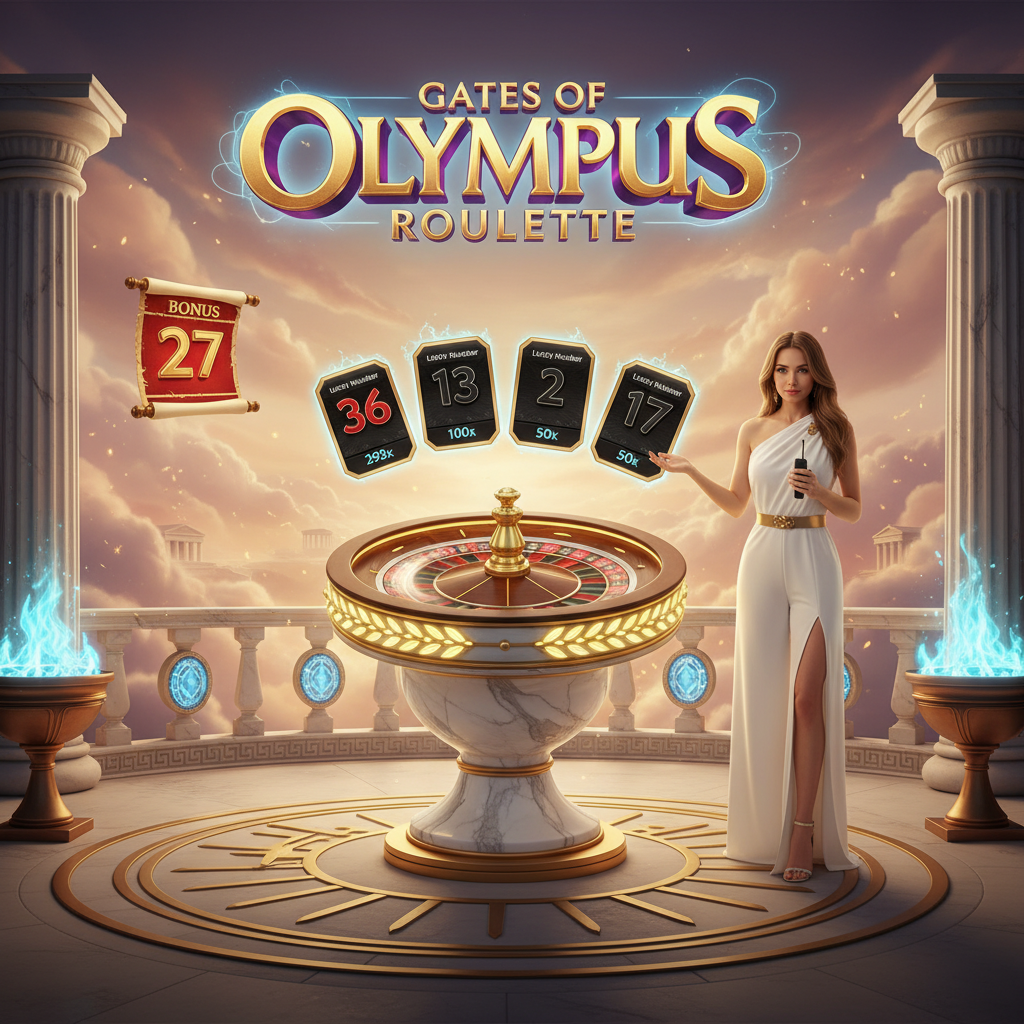
Beyond the core slots, the franchise experiments genuinely. Gates of Olympus Pachi sends balls bouncing through a pachinko board rather than spinning reels. Gates of Olympus Roulette grafts the Olympus theme and multiplier logic onto a wheel. These aren't just reskins — they're different game types sharing a universe.
Why Players Keep Coming Back
Three things drive repeat play in this series. First, the bonus buy. Most Olympus slots let you skip the base game grind and purchase direct entry into free spins. It's a divisive feature — some players swear by it, others consider it wasteful — but it gives you control over session pacing. When you want the high-volatility rush without waiting for a natural trigger, the option is there.
Second, the volatility spectrum across the lineup lets you match your mood. The original Gates of Olympus runs high volatility but not punishing. The 1000 variants crank it further — longer dry spells, bigger potential payoffs. The Dice versions, with their smaller grids, tend to feel slightly snappier. Fortune of Olympus leans into a steadier rhythm. You're not locked into one risk profile.
Third, familiarity breeds speed. Once you understand how scatter-pay tumbles and multiplier stacking work in one Olympus game, you can jump into any other entry in the series and play competently from spin one. The learning curve flattens across the franchise.
Playing on Mobile, Desktop, and Everything Between
Every game in the Olympus series runs directly in the browser. No app download, no client install. You open the game at a licensed casino, it loads in HTML5, and you play. This applies equally to desktop and mobile — Chrome, Safari, Firefox, whatever you're running.
On mobile, the games scale well. The scatter-pay grid is inherently touch-friendly because you're not managing payline selections or complex bet panels. Tap your stake, tap spin, watch the tumbles. Portrait mode works on most entries, though the wider grid of the standard 6x5 slots looks better in landscape. The Dice variants, with their smaller grids, are arguably the best mobile fit — less scrolling, cleaner layout on a phone screen.
Desktop gives you the full visual experience — the sky parallax behind Zeus, the lightning effects on big multipliers, the smoothness of cascading symbols. If you're playing on a large monitor, the animations have more impact. But mechanically, nothing changes between platforms. Same RTP, same features, same odds.
Breaking Down the Full Lineup
Fourteen games is a lot to navigate. Here's how the series actually organizes.
The Gates of Olympus Core
Gates of Olympus is the original. Six reels, five rows, scatter pays, tumble mechanics, multiplier orbs, free spins with persistent multiplier accumulation. This is the template everything else builds on.
Gates of Olympus 1000 takes that template and amplifies the multiplier potential significantly. The "1000" branding signals a higher ceiling — expect rarer but larger payouts compared to the original.
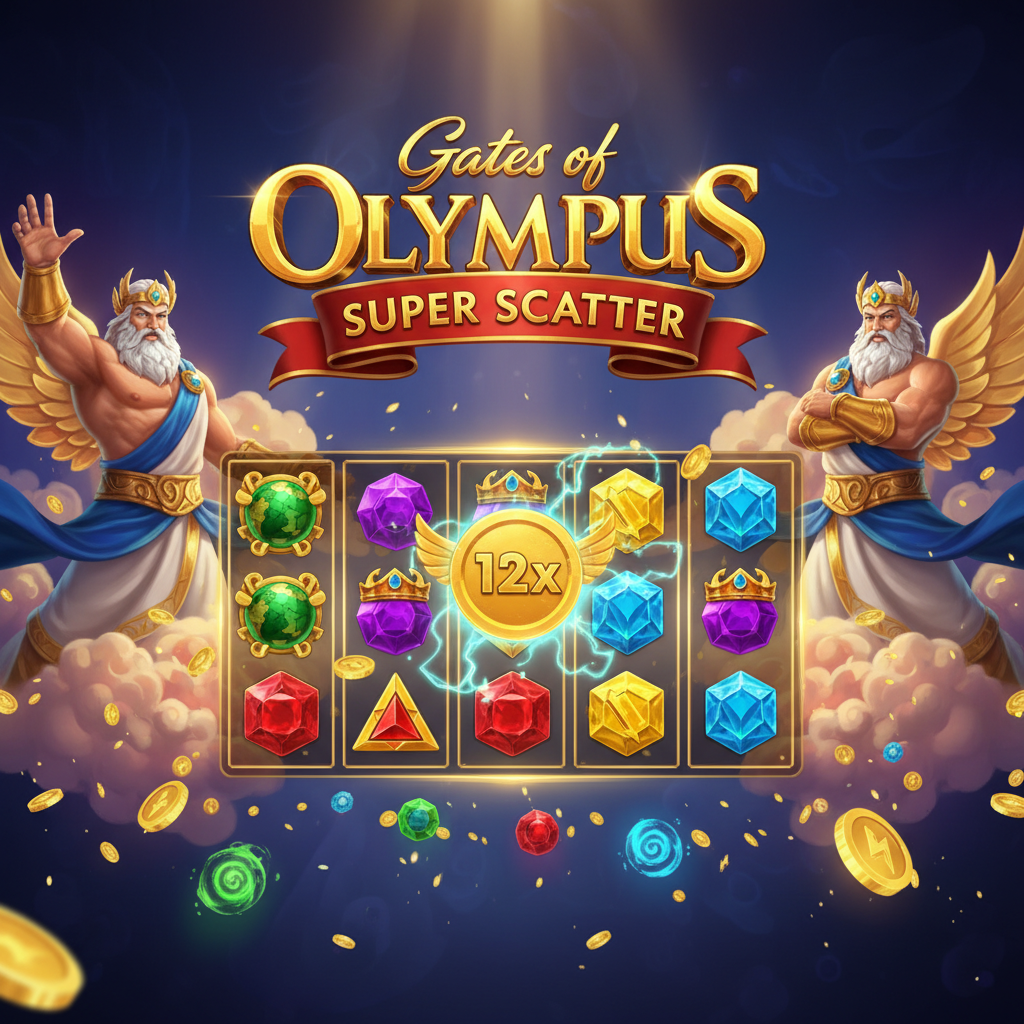
Gates of Olympus Super Scatter reworks the scatter trigger mechanics, making the bonus round activation feel different even though the core gameplay is recognizable.
The Dice Variants
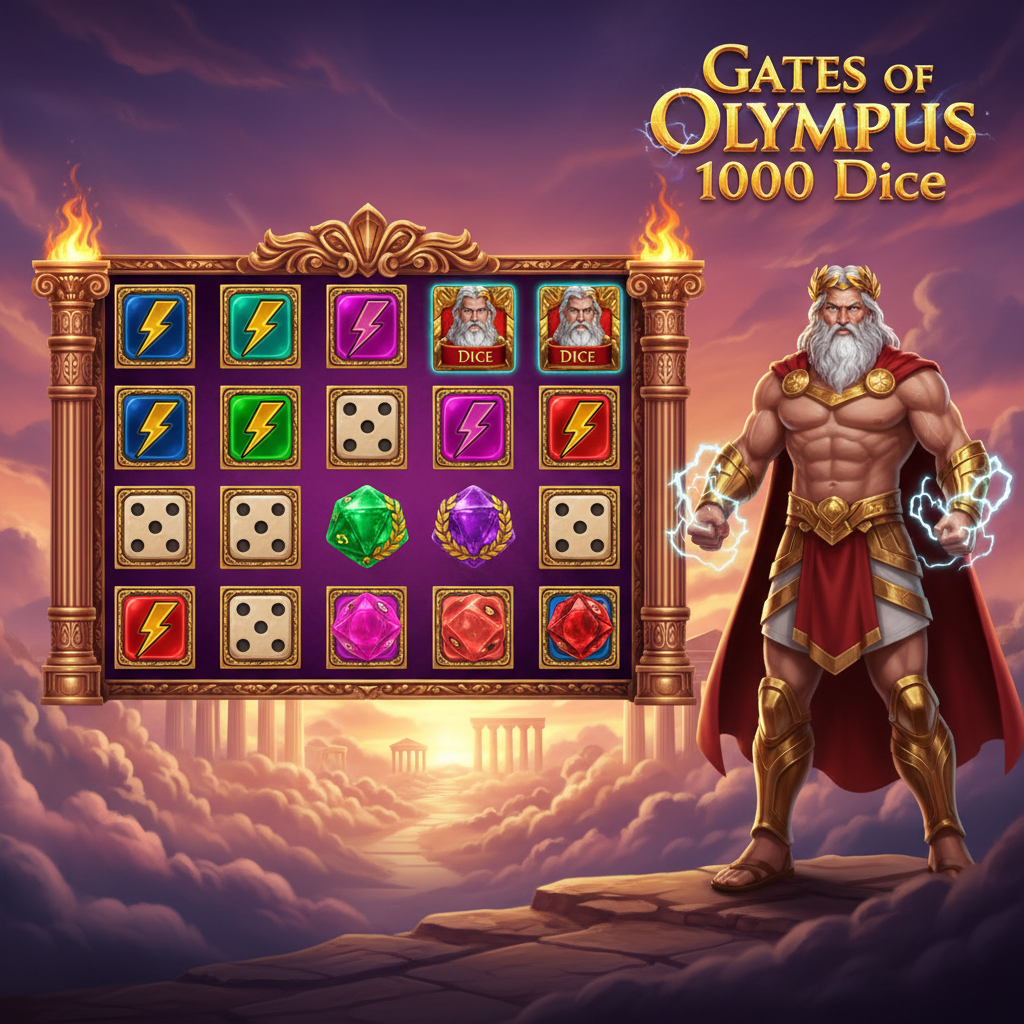
Gates of Olympus Dice and Gates of Olympus 1000 Dice translate the formula into a dice-based grid. Think of these as the compact edition — fewer positions on the board, faster resolution per round, the same multiplier stacking logic but in a tighter space. If you find the full 6x5 grid visually busy, the Dice versions clean things up.
Seasonal and Thematic Spins
Gates of Olympus Xmas 1000 is a holiday-themed edition running on the 1000 engine. Snowflakes and ornaments replace some visual elements, but the math model stays aggressive. It's a reskin with the high-volatility 1000 mechanics intact — cosmetic change, same teeth underneath.
Genre Crossovers
Gates of Olympus Pachi is where the series gets genuinely experimental. Pachinko mechanics — balls dropping through a peg board, bouncing into multiplier buckets — replace the reel grid entirely. It's a different game type wearing Olympus clothing, and it works as a palette cleanser between slot sessions.
Gates of Olympus Roulette puts a wheel in front of you. It's a table-game format with Olympus-themed multipliers and visuals. For players who enjoy roulette but want the aesthetic and bonus-layer energy of the Olympus world, this is the crossover.
Beyond the Gates
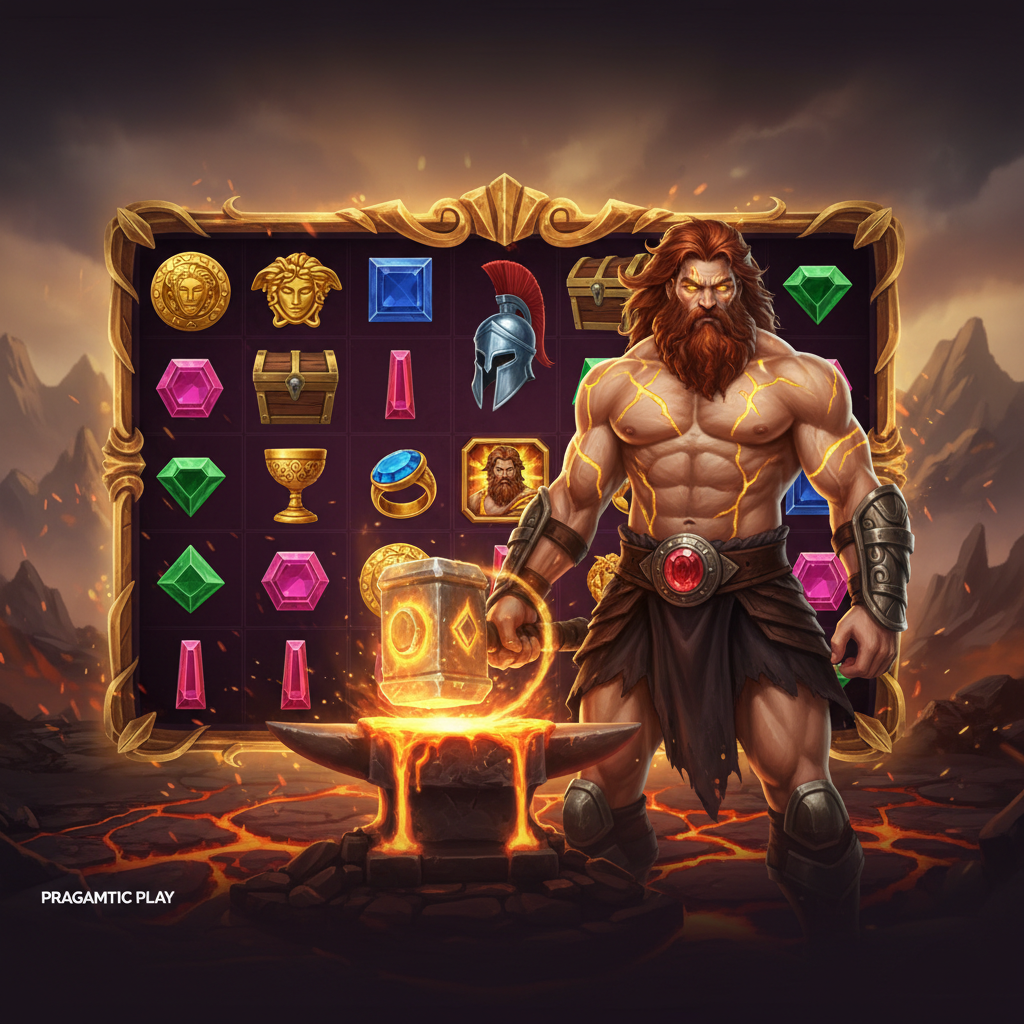
Not every Olympus game carries the "Gates of" prefix. Olympus Wins Super Scatter brings the Super Scatter mechanic into a distinct framework — related to Gates of Olympus Super Scatter in concept but not a clone. Fortune of Olympus takes a different mechanical approach, shifting toward fortune-accumulation features. 888 of Olympus plays with a lucky-number theme layered over the Greek mythology setting, offering its own grid feel. Forge of Olympus moves the setting from Zeus's sky palace to Hephaestus's workshop, with cluster-pay mechanics and a heavier visual tone — arguably the most distinct entry in the series. Games in Olympus and Games in Olympus 1000 incorporate mini-game elements within the slot structure, adding variety layers that the other titles don't attempt.
Clones vs. Genuine Variety — Honest Assessment
Let's be straight: some of these titles are closer to each other than the marketing suggests. Gates of Olympus Xmas 1000 is essentially Gates of Olympus 1000 in a winter coat. The Dice variants are mechanical translations more than reinventions. But entries like Forge of Olympus, the Pachi version, and the Roulette crossover are legitimately different experiences. The lineup has both — iterations and innovations. Knowing which is which saves you time.
Where to Start
If you've never played an Olympus game, begin with Gates of Olympus. Not because it's the best — though it's excellent — but because it's the cleanest expression of what the series does. Learn how scatter pays flow, how multipliers stack during tumbles, how the free spins round escalates. Every other game in the franchise is a conversation with this one.
If you already know the original and want escalation, move to Gates of Olympus 1000 or Forge of Olympus. The 1000 version gives you the same loop with a higher ceiling. Forge gives you a genuinely different mechanical and visual experience while staying in the Olympus universe.
If you're a variety player who gets bored running the same format, try Gates of Olympus Pachi or Gates of Olympus Roulette. They break the reel-based pattern completely. You'll either love the change of pace or bounce back to the slots — either way, you'll know what the series offers at its edges.
For mobile-first sessions or short play windows, the Dice variants — Gates of Olympus Dice and Gates of Olympus 1000 Dice — deliver faster rounds on a smaller grid. They're designed for exactly that use case.
All 14 games are available on this page. Scroll the lineup above, pick one, and you're playing — no hunting across multiple sites.