








How Olympus Became a Series Aussie Players Actually Stuck With
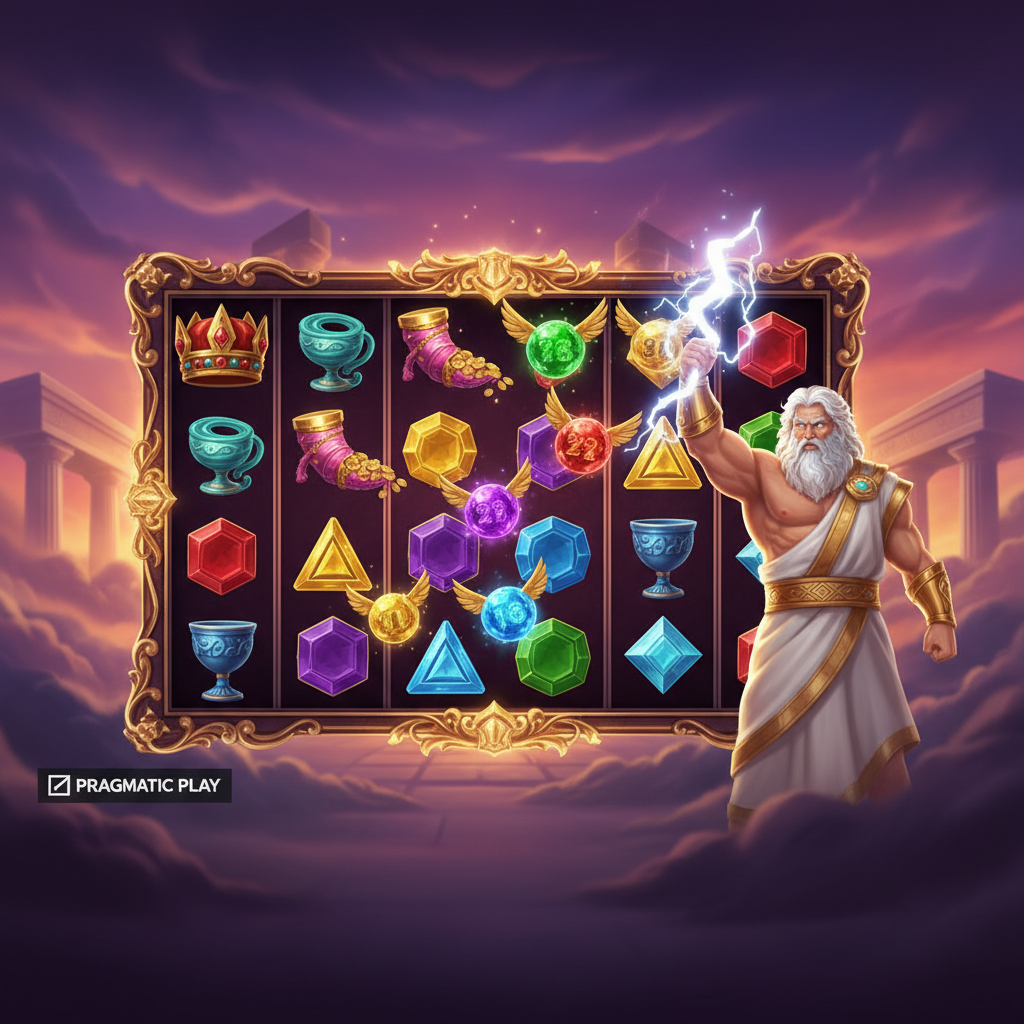
When Gates of Olympus first landed, it wasn't trying to reinvent the slot. It took the scatter-pays model — no paylines, symbols pay anywhere — and layered on tumbling reels with random multipliers that stack during free spins. Simple concept, massive payoff potential. That combination hit hard with Australian players who were already comfortable with high-volatility Pragmatic Play titles and were ready for something that felt a bit different from the standard payline grind.
The original became a staple. You'd see it on every offshore site that Aussie punters frequented, shared in Discord groups, popping up in streamer clips. That kind of organic traction is what turned a single slot into a franchise. Pragmatic and other studios started building on the foundation — first with Gates of Olympus 1000, which pushed the multiplier ceiling dramatically, then branching into dice variants, seasonal editions, and eventually entirely different game types like pachinko and roulette under the same Olympus banner.
Today there are 14 games carrying the Olympus name. That's not a lazy copy-paste job either — the lineup includes proper slots, dice games, a pachinko entry, a roulette crossover, and multi-game hybrids. Some share engines. Some share only the theme. The series has grown the way a good franchise should: keeping the core identity while actually trying new things.
What Actually Makes These Games Click
The scatter-pays mechanic is the backbone. No paylines to track, no confusion about which symbols need to land where. If enough matching symbols appear anywhere on the grid, you get paid. Tumbles clear winning symbols and drop new ones in, and each tumble can carry a random multiplier that stacks through the round. During free spins, those multipliers don't reset — they accumulate. That's where the magic happens, and it's why a single bonus round can go from quiet to genuinely mental in a few tumbles.
For Aussie players who like to feel the volatility rather than just read about it on a spec sheet, this design delivers. You can sit through dozens of dead spins and then land a free spins round that pays back the lot and then some. It's a rhythm that rewards patience and punishes impatience in equal measure — and that suits the way a lot of us play. We're not generally micro-bet grinders hoping for a 2x return. When we sit down with a game like this, we want to feel the swings.
The bonus buy option, available on most titles in the series, is a big part of the appeal too. Rather than grinding base game spins waiting for scatters, you can pay a premium — typically a hefty multiple of your stake — and jump straight into the feature. It's not cheap, and it's not always smart, but it lets you control your session length. That's a real consideration when you're fitting a session around Australian life — sport on the telly, the dog needs a walk, the missus is giving you the look.
The multiplier stacking system
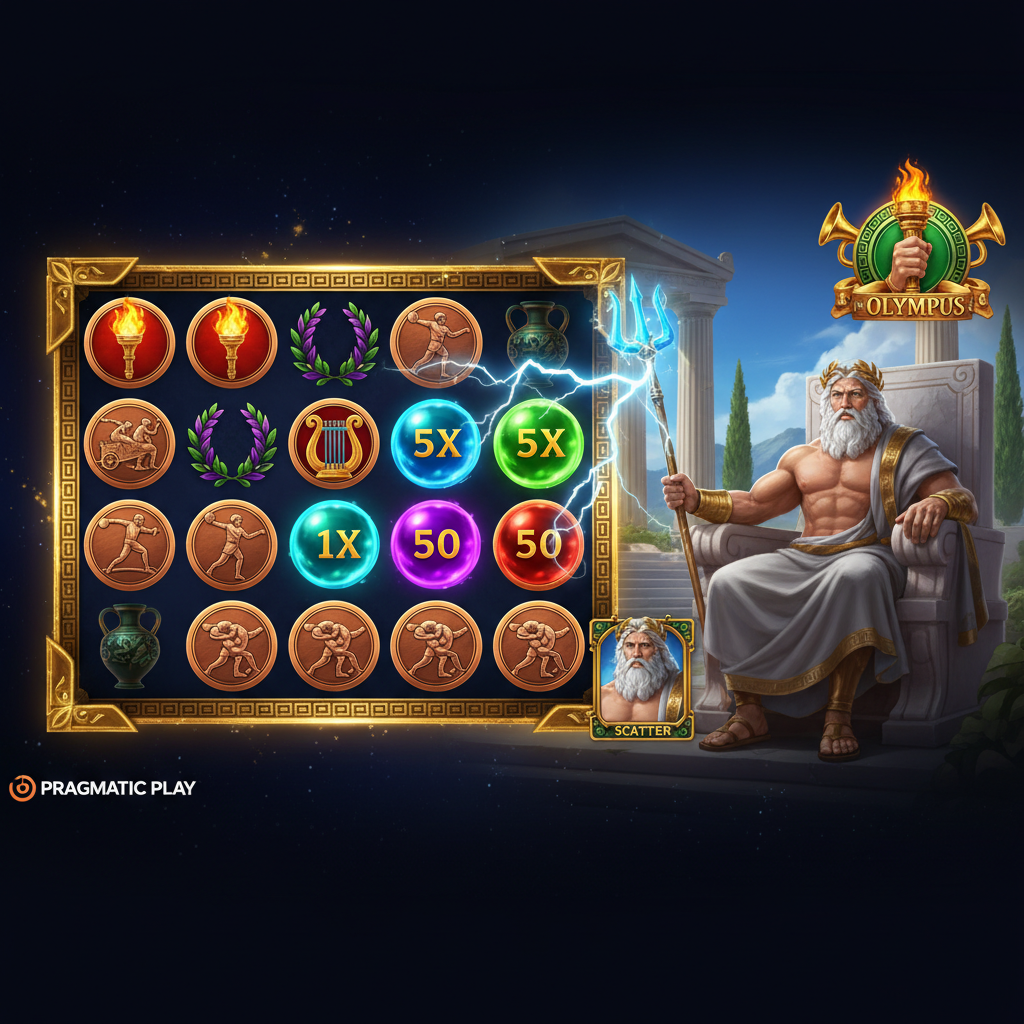
Worth dwelling on this because it's what separates Olympus from dozens of scatter-pays clones that followed. The multipliers that appear during tumbles — 2x, 3x, 5x, sometimes much higher in the 1000 variants — all add together across the entire free spins round. So by your tenth or fifteenth tumble in a bonus, you might be sitting on a combined multiplier that turns a modest symbol cluster into a serious payout. It creates genuine tension. Every tumble matters. Every multiplier that drops feels significant. That escalation is what keeps players coming back to the series specifically, rather than drifting to whatever new scatter-pays game appeared last week.
Why Australia Took to Olympus Like It Did
Australians have always had a strong relationship with gambling — it's woven into the culture in a way that's different from most places. We're comfortable with risk, we understand variance, and we don't need hand-holding through basic slot concepts. The Olympus series respects that. It doesn't dumb things down or bury the mechanics behind layers of tutorials. It puts the volatility front and centre, shows you the multiplier math in real time, and lets you make your own calls about stake sizing and bonus buys.
The fact that these games run entirely in-browser with no downloads also matters here. Australian internet isn't always the fastest thing going, especially outside the major cities, but these games are lightweight enough to run smoothly on mobile data. Most Aussie players are on iPhones or decent Androids, and the Olympus titles are well-optimised for both. You're not going to burn through your data plan playing Gates of Olympus on the bus, and you won't get lag spikes that ruin a bonus round.
There's also the social element. Olympus games — the original Gates of Olympus especially — became a shared language among Australian online slot players. When someone posts a big win screenshot in a Telegram group or a subreddit, half the time it's from an Olympus game. That familiarity breeds trust. You know what you're getting into. And when a new variant drops, like Forge of Olympus or Games in Olympus 1000, there's a built-in audience ready to try it because they already know the DNA.
The Full Lineup — What's What and What's a Clone
Fourteen games is a lot, and honesty matters here: not all of them are equally essential. Here's how the lineup actually breaks down.
The core slots
Gates of Olympus is the original, the benchmark, the one you've probably already played. Gates of Olympus 1000 is its amped-up sibling — same structure, but the multiplier values during free spins can reach much higher levels, which makes it more volatile and more rewarding when it hits. These two are the pillars of the series, and for a lot of players, they're all you need.
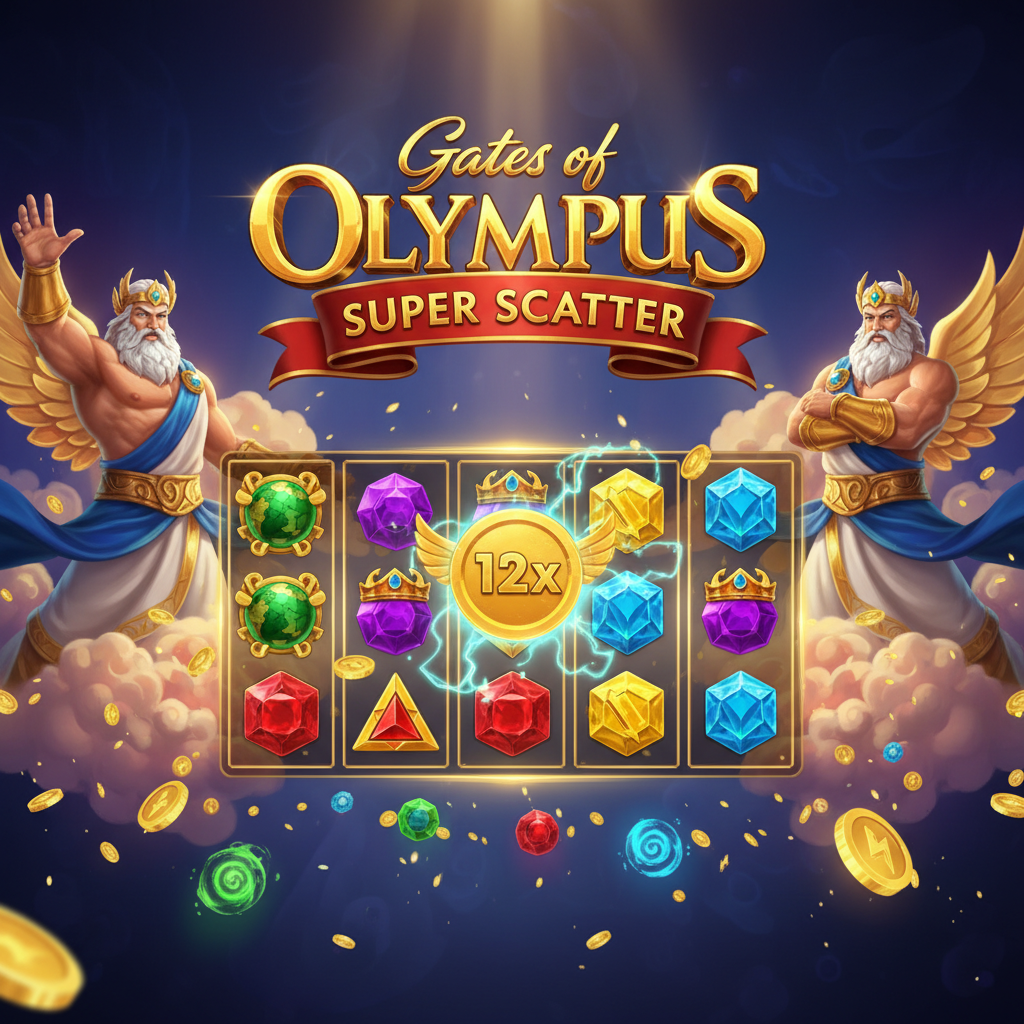
Gates of Olympus Super Scatter reworks the scatter mechanic to give more weight and frequency to scatter-triggered events, which makes bonus rounds play differently. Olympus Wins Super Scatter uses a similar enhanced scatter system but in its own visual and mechanical package — it's not a reskin, but it shares the philosophy.
Fortune of Olympus and 888 of Olympus are standalone entries that lean into their own identities. Fortune plays a bit more conservatively in feel, while 888 brings a numerology-flavoured twist. Neither will feel alien if you know the series, but they offer a genuinely different session rhythm.
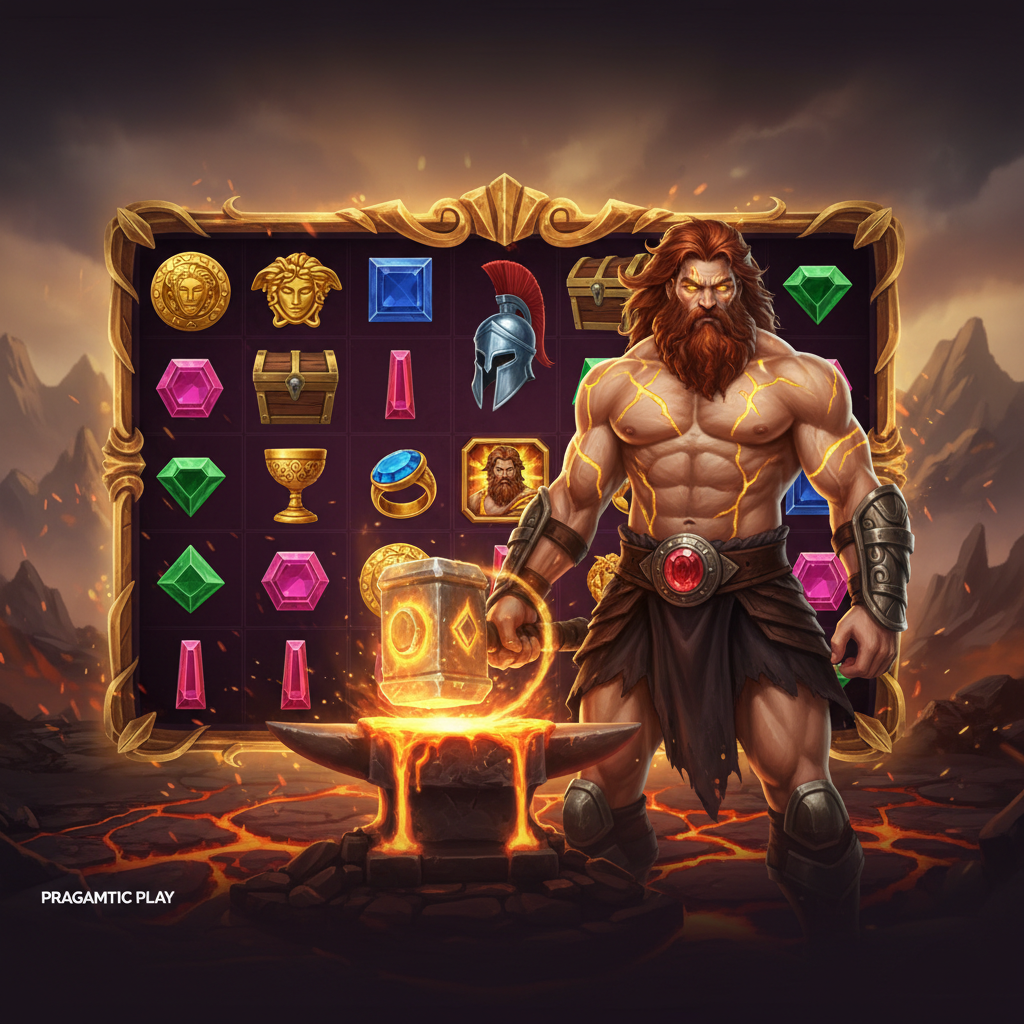
Forge of Olympus is one of the standouts. Darker in tone, with a heavier mechanical edge — it feels like it was built for players who found the original too bright and breezy. Solid choice for anyone who wants the Olympus multiplier system in a grittier package.
The variants and format experiments
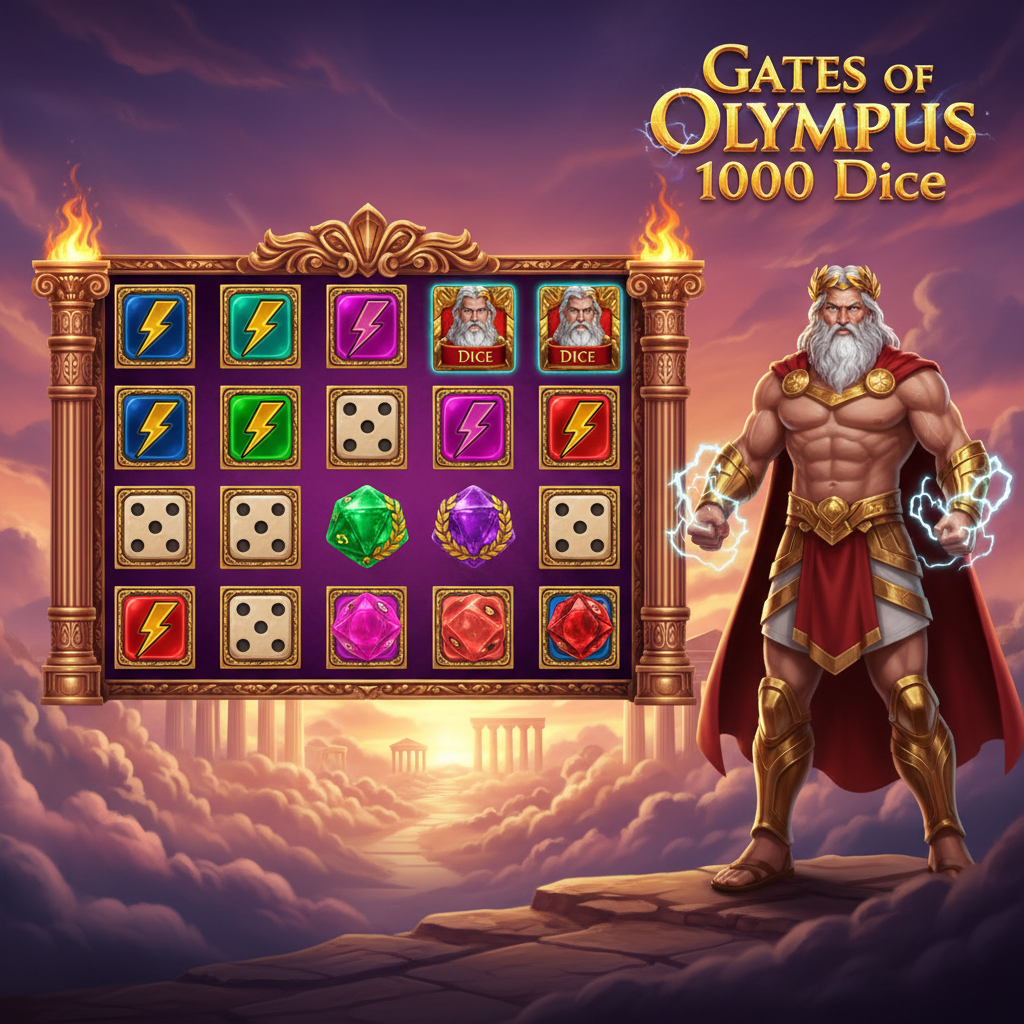
Gates of Olympus Dice and Gates of Olympus 1000 Dice are what they sound like — dice-style versions of the core games. They simplify the visual presentation and change the feel without fundamentally altering the math. If you play dice games elsewhere and enjoy that format, these are natural fits. If you don't, you're not missing anything critical.
Gates of Olympus Xmas 1000 is a seasonal variant of the 1000 edition. Christmas aesthetics, same engine underneath. It's a bit of fun around December, but let's be real — in Australia, Christmas means 35-degree heat, a backyard barbie, and playing on your phone while the cricket's on. The snow-and-tinsel visuals are amusingly out of place, which is part of the charm.
Gates of Olympus Pachi crosses into pachinko territory. This is genuinely different — the feel, the pacing, the way wins resolve. It's not a slot. It's worth trying if you're curious about the format, and the Olympus theme gives it enough familiarity that it doesn't feel like a completely foreign game.
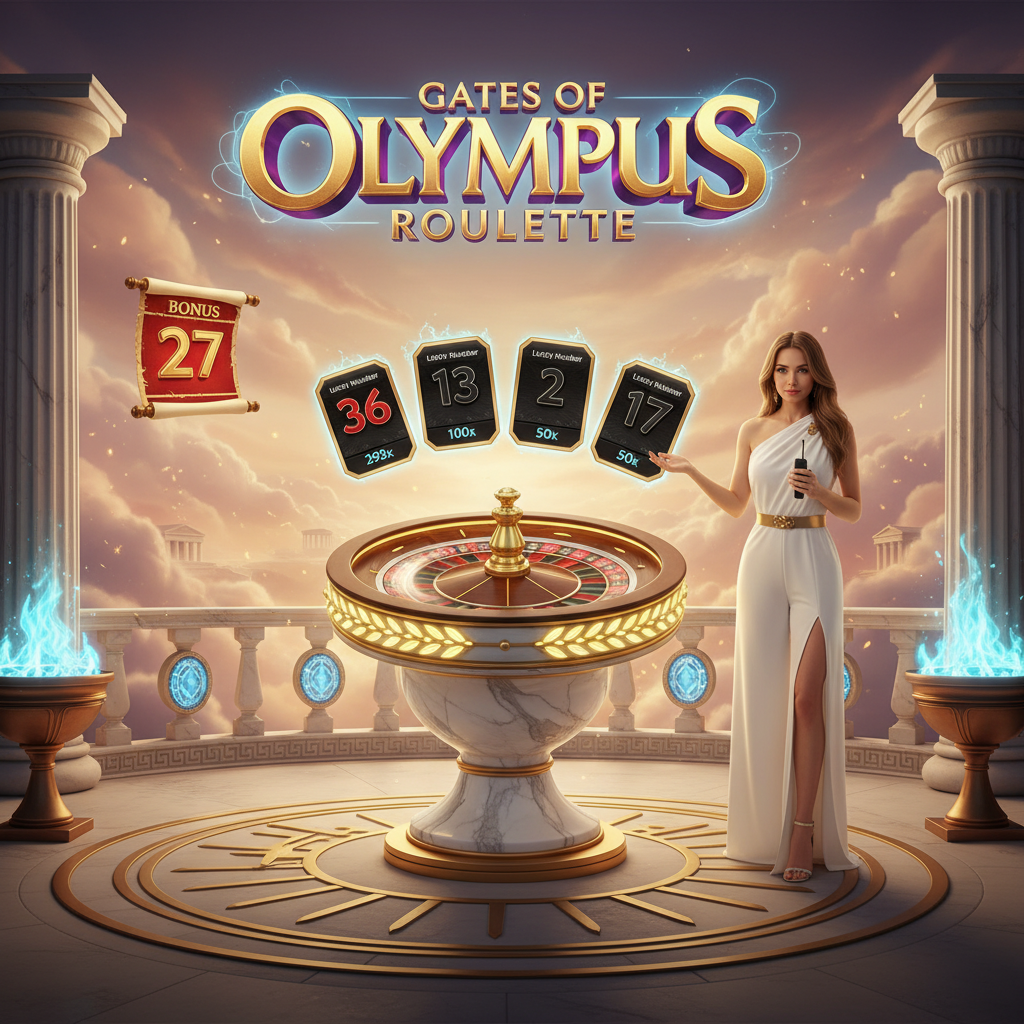
Gates of Olympus Roulette is the wildcard. A roulette-style game wearing an Olympus skin. It's a novelty — fun for a handful of rounds, but it's the entry in the series that strays furthest from what makes Olympus work. Some players love it for variety. Others try it once and go back to the slots.
The multi-game entries
Games in Olympus and Games in Olympus 1000 bundle multiple game experiences into a single title. Think of them as variety packs — you get different mini-game mechanics within the Olympus framework. The 1000 version pushes the multiplier ceiling higher, same as the 1000 treatment does elsewhere in the series. These are good for longer sessions where you want variety without switching titles.
Playing on Your Terms — Devices and Access
Every game in the Olympus series runs in your browser. No app to download, no software to install. Open your preferred site, find the game, and it loads. That's true on desktop, on your iPhone, on whatever Samsung or Pixel you're carrying, and on tablets if that's your thing.
Performance is solid across the board. The games aren't graphically demanding by modern standards — Zeus looks good, the lightning effects are clean, the tumble animations are smooth — but they're not trying to be console-quality renders. That's a strength, not a weakness. It means they load fast on Australian mobile networks, they don't chew through your battery in twenty minutes, and they don't stutter when your Wi-Fi's having a moment.
For the typical Australian player, that means you can play during your commute, on a lunch break, on the couch after the footy, or at the pub while you're waiting for your mates to show up. The sessions flex to fit your schedule, and the bonus buy option means you can compress a meaningful session into a short window if you need to.
Where to Start — And Where to Go Next
If you've never played an Olympus game, start with Gates of Olympus. Full stop. It's the original, the mechanics are clean, the volatility is high but not insane, and it'll teach you the scatter-pays-plus-multiplier system that every other game in the series builds on. Play it for a few sessions. Get a feel for the tumble rhythm and the way multipliers stack in free spins. Then decide what you want more of.
If you want more volatility, move to Gates of Olympus 1000. If you want a different mechanical twist on the same foundation, try Gates of Olympus Super Scatter or Forge of Olympus. If you're after something genuinely different in feel, Gates of Olympus Pachi is the most adventurous pick in the lineup.
For experienced Olympus players who've been spinning the original for months and want something fresh without leaving the family, Games in Olympus 1000 offers the most variety in a single title. And Forge of Olympus is the one most likely to surprise you if you think you've seen everything the series has to offer.
Honest take: you don't need to play all 14. Five or six of these games will cover every mood and session type you're likely to have. But they're all here, they're all free to try in demo where available, and the page isn't going anywhere. Work through them at your own pace.