









How Olympus Became a Whole Universe
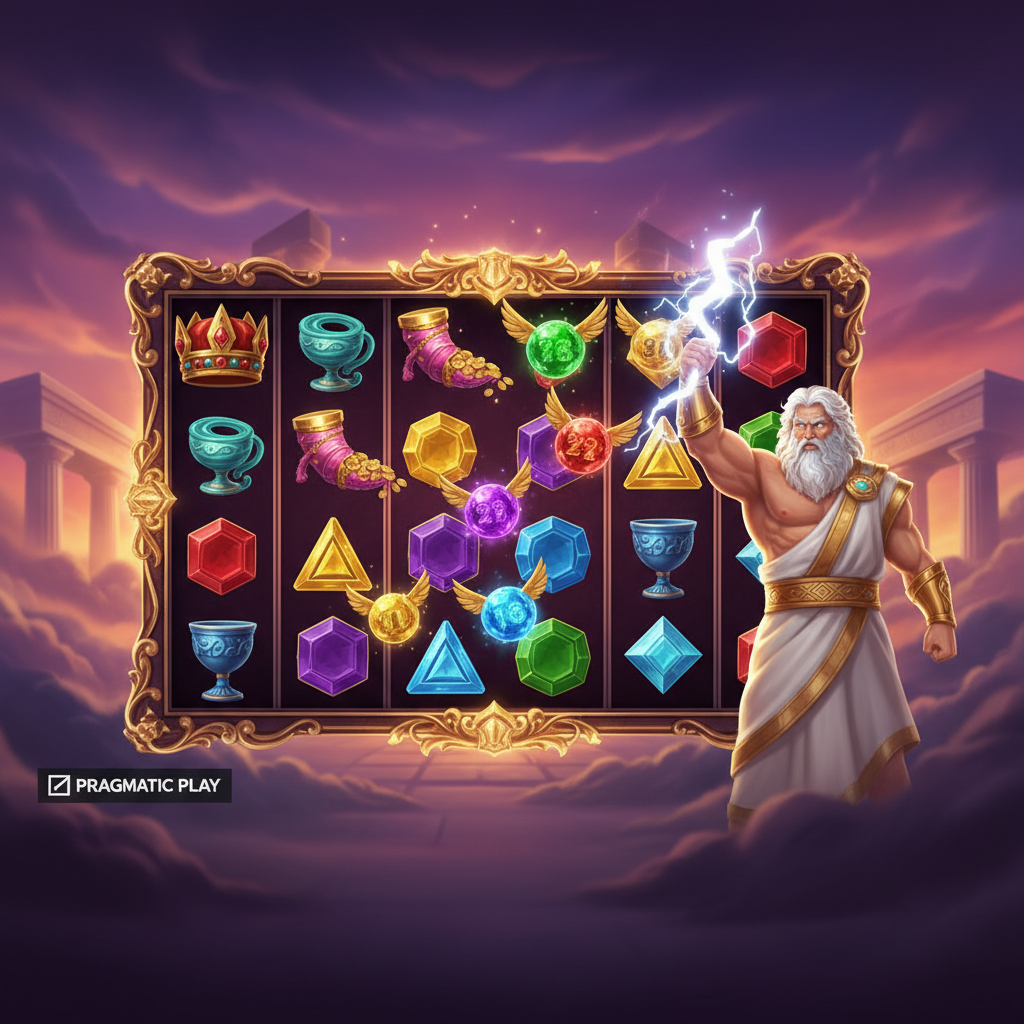
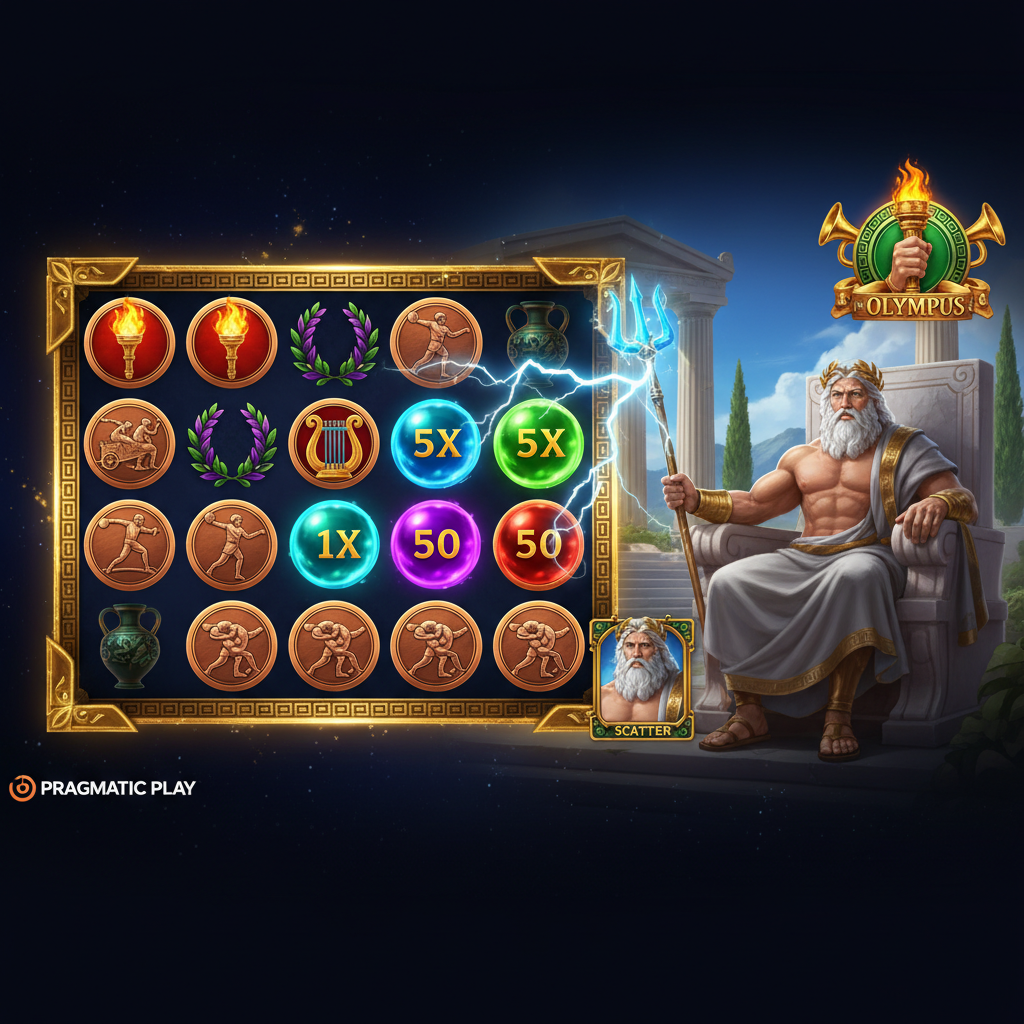
Gates of Olympus didn't arrive with a massive marketing push. It showed up, players in markets like Canada discovered it through streamer clips and Reddit threads, and within weeks it was one of the most-played slots on nearly every licensed platform available here. The scatter-pays mechanic — no paylines, symbols pay anywhere — wasn't invented by this game, but this was the game that made it feel natural. Zeus dropping multiplier orbs across the grid during free spins became one of those instantly recognizable moments in online slots.
From that single title, Pragmatic Play and collaborating studios built outward. Gates of Olympus 1000 pushed the volatility ceiling higher for players who found the original too gentle (and in Canada, where a lot of players learned slots through high-vol streamers on Twitch, there was real appetite for that). Then came the dice variants, the seasonal editions, the genre crossovers. Fourteen games later, Olympus isn't just a slot — it's a format library built around a single identity.
What Actually Makes It Different
The scatter-pays grid is the anchor. No fixed paylines means every spin has a broader surface area for hits, and the tumble mechanic (winning symbols clear out, new ones drop in) creates chain reactions that give each round a sense of momentum. You're not just watching reels stop — you're watching a sequence unfold. That's the hook, and it works whether you're playing at a micro-bet level in CAD or stepping up for a bonus buy.
The multiplier system is the other pillar. Random multipliers land on the grid alongside regular symbols. On their own they do nothing — but when they're present during a winning tumble, they stack. This is where the big-number screenshots come from, and it's why Olympus clips circulate so heavily on Canadian gambling communities and Discord servers. The mechanic is simple to understand but produces enough variance to keep sessions unpredictable.
The series doesn't reinvent the wheel with each release. It finds a core loop that works and then explores how far that loop stretches across different formats — dice, pachinko, roulette, crash-adjacent mechanics. Some experiments land better than others, but the baseline quality stays consistent.
Why Canadian Players Keep Coming Back
There's a specific overlap between what the Olympus series offers and how Canadians tend to play. The bonus-buy option, available on most titles in the lineup, fits a player base that often has limited session time — maybe you're on a break, maybe you've got thirty minutes before hockey starts, and you don't want to grind 200 base-game spins hoping to trigger free spins organically. Buy in, get to the feature, see what happens. That direct path to the action resonates here.
Volatility preference matters too. Canadian players, broadly, tend to skew toward medium-high and high volatility. Not the ultra-degenerate max-risk stuff, but definitely not low-vol steady-drip games either. The Olympus lineup covers that range well — the base Gates of Olympus sits comfortably in the high-vol sweet spot, while titles like 888 of Olympus and Fortune of Olympus pull things back slightly for players who want a longer runway on a given bankroll.
There's also the social factor. Slots that produce shareable moments — big multiplier stacks, dramatic last-spin turnarounds — do well in a market where players actively discuss their sessions. Whether it's a screenshot dropped into a Telegram group or a clip shared on X, the Olympus series generates those moments more consistently than most competitors. When your friend sends you a 4,000x hit from Gates of Olympus 1000, you're going to try it.
Playing on Mobile, Desktop, and Everything In Between
Every game in the Olympus series runs in-browser. No downloads, no app installs, no storage anxiety on a phone that's already full of photos. You open your casino site, find the game, and it loads. This matters in Canada where the split between iPhone and Android is roughly even — the games are built in HTML5 and scale to whatever screen you're using, from a 6.1-inch iPhone to a 27-inch desktop monitor.
Mobile performance is genuinely good across the series. The tumble animations, the multiplier overlays, Zeus's lightning effects — they all run smoothly on mid-range devices over a standard Canadian LTE or Wi-Fi connection. You're not going to burn through your data plan either; a typical session uses minimal bandwidth since most of the rendering happens locally. If you're playing on the GO Train or during a lunch break, you're fine.
Desktop still has its appeal for longer sessions. The grid is easier to read on a bigger screen, and if you're the type who keeps a spreadsheet or tracks your session results (and plenty of Canadian players do), having the game on one monitor and your notes on another is a practical setup. But functionally, you lose nothing on mobile — it's the same game, same RTP, same mechanics.
Breaking Down the Full Lineup
Fourteen games sounds like a lot, so here's how they actually group together.
The Core Gates Games
Gates of Olympus and Gates of Olympus 1000 are the spine of the series. The original is the most-played, the most-streamed, and the entry point for most players. The 1000 variant increases the maximum multiplier potential and volatility — same structure, higher ceiling, wilder swings. If you've played one Olympus game, it was probably one of these two.
Dice Variants
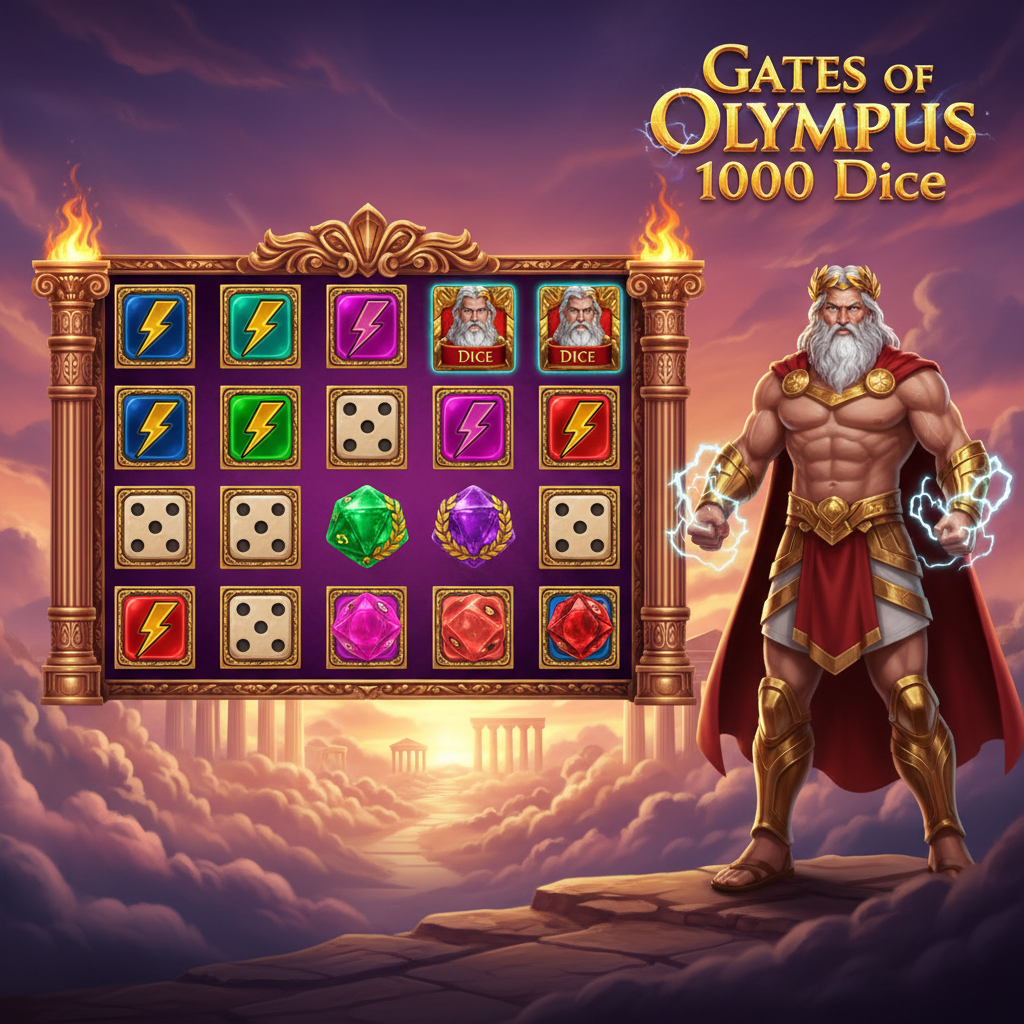
Gates of Olympus Dice and Gates of Olympus 1000 Dice reskin the experience with a dice-game visual language. The underlying math is close to the originals, but the presentation feels different — simpler, more compact. These are honest clones with a cosmetic twist. If you like the mechanic but want a visual change, they serve that purpose. If you're chasing a fundamentally different experience, look elsewhere in the lineup.
Seasonal and Themed Editions
Gates of Olympus Xmas 1000 is exactly what it sounds like — a holiday-themed version of the 1000 variant. Snowflakes, festive colours, same engine underneath. It's fun in December, and some players swear the seasonal versions feel luckier (they don't — same RTP — but superstition is part of the game).
Mechanic Expansions
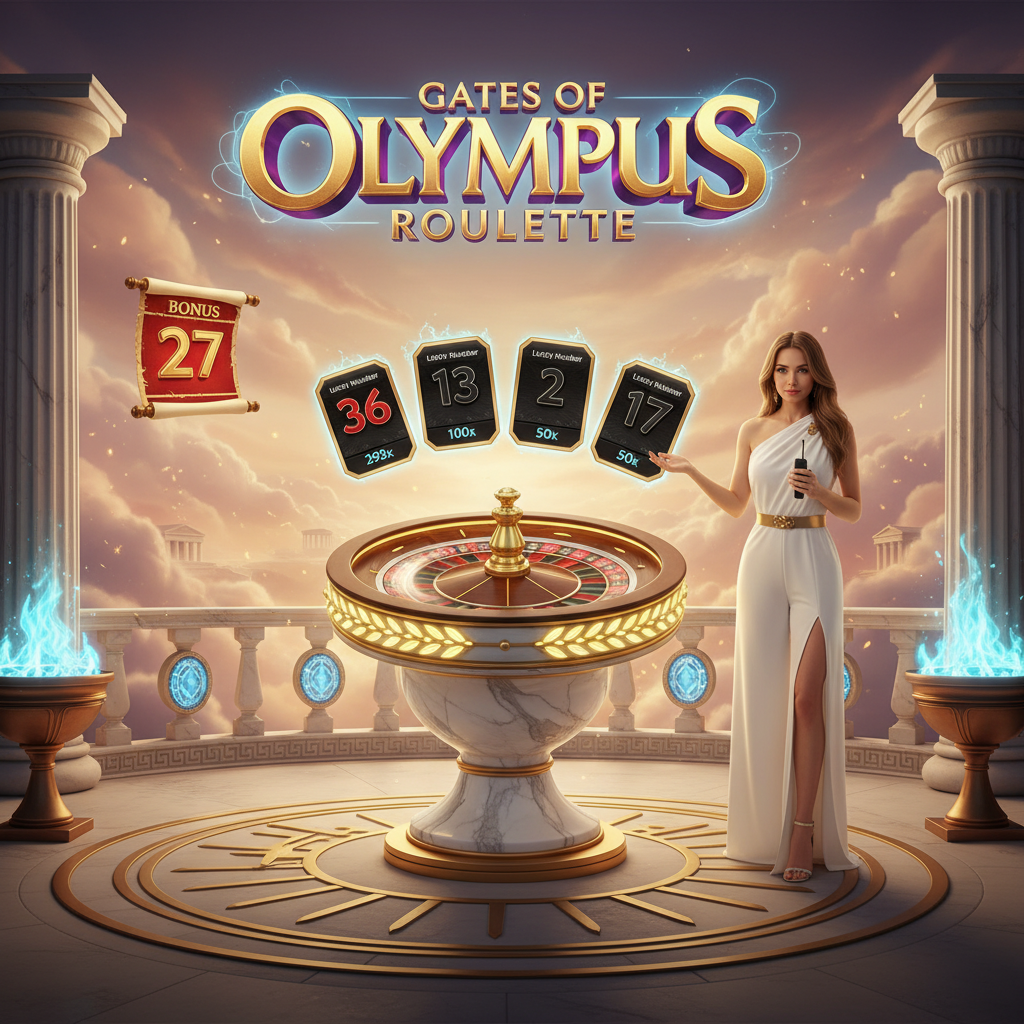
This is where the series gets genuinely interesting. Gates of Olympus Super Scatter and Olympus Wins Super Scatter rework the scatter trigger system, giving you different paths into the bonus round. Gates of Olympus Pachi introduces pachinko-style ball-drop mechanics — it plays differently enough that it almost feels like a separate genre wearing an Olympus skin. Gates of Olympus Roulette crosses into table-game territory; it's a novelty, honestly, but a well-executed one if you're curious.
The Broader Olympus World
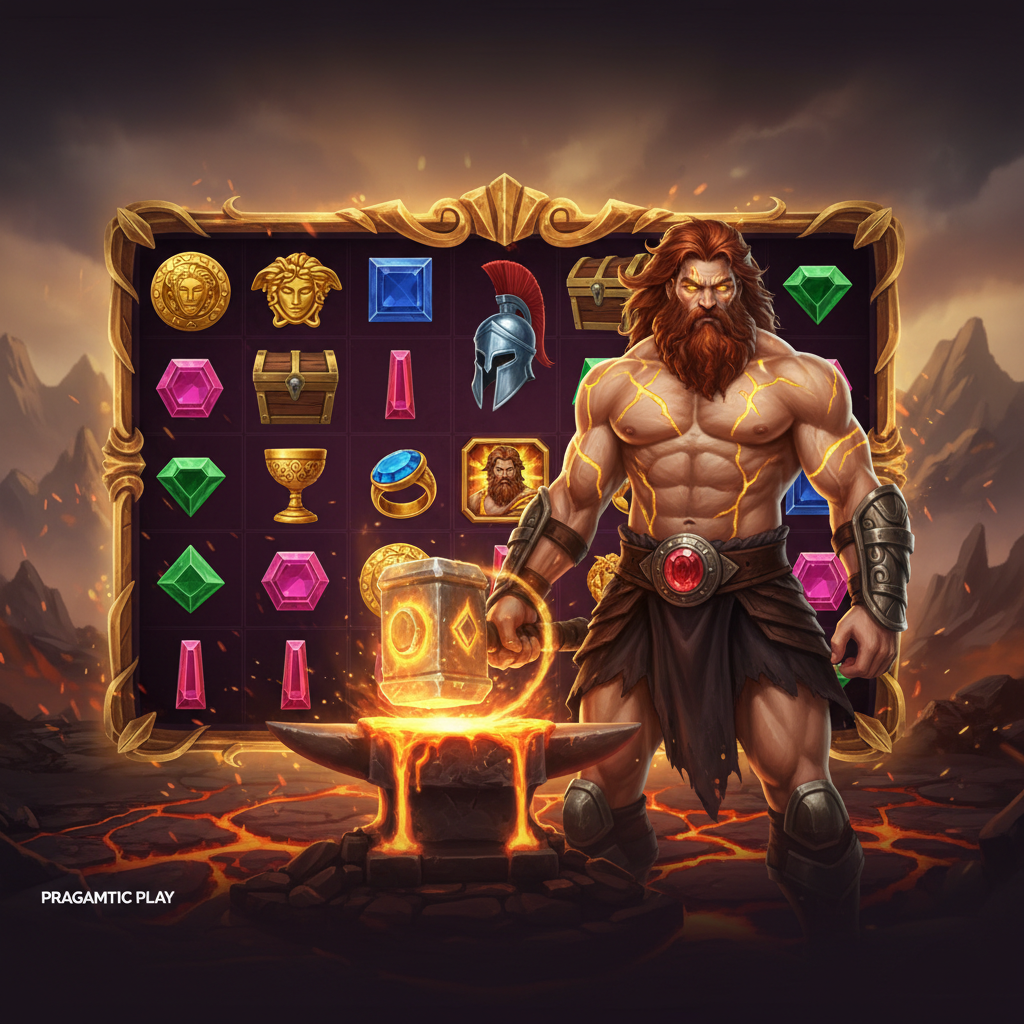
Fortune of Olympus, 888 of Olympus, and Forge of Olympus step outside the "Gates" naming convention and explore different angles within the same mythological setting. Forge of Olympus, in particular, shifts the mood — darker, more mechanical, focused on Hephaestus's workshop rather than Zeus's throne. It's one of the more distinctive entries in the series and worth trying if you've played the core games to death.
Games in Olympus and Games in Olympus 1000 take a meta approach, folding multiple mini-mechanics into a single game framework. They're a bit harder to describe without playing them, which is kind of the point — they're exploration games for players already deep into the Olympus ecosystem.
Where to Start (and Where to Go Next)
If you've never touched an Olympus game, start with Gates of Olympus. Not the 1000, not the dice version — the original. It teaches you the scatter-pays grid, the tumble flow, and the multiplier stacking in the cleanest possible form. Play it in demo mode if your platform offers it, get a feel for the rhythm, then decide if you want to go higher-vol or branch out into other formats.
If you've already ground through Gates of Olympus and want escalation, Gates of Olympus 1000 is the natural next step — same comfort, more heat. From there, Forge of Olympus is the pick for a player who wants something genuinely different within the series. And if you're the kind of player who gets bored of reels entirely, Gates of Olympus Pachi offers a real change of pace without leaving the universe.
For experienced Canadian players who already know what they like — if you're a bonus-buy player, the Super Scatter variants give you the most interesting trigger dynamics. If you're a grinder who prefers organic free-spin triggers, stick with the core Gates titles and the dice versions. And if you just want to see what happens when Olympus leaves the slot grid entirely, Roulette and Pachi are there for a session or two of pure curiosity.
One Honest Note
Not every game in this lineup is essential. Some are reskins. Some are seasonal cash-ins. That's the reality of any 14-game series. But the top five or six entries here genuinely earn their spot in any Canadian player's rotation, and the experimental titles — Pachi, Forge, the Super Scatters — show a willingness to push the format that most series don't bother with. Take what works for you, skip what doesn't, and you'll get a lot of mileage out of this page.